Can Adults and Grandparents Get Lice? Treating the Whole Household in Queens

A grandmother in Flushing called us last spring, apologetic, almost whispering. Her granddaughter had been treated for lice two weeks earlier. Now her own head was itching, and she was sure that couldn't be right. She was 68. Lice were for children.
They aren't. Lice are for anyone whose hair touches the hair of someone who has them. Grandparents who read bedtime stories, parents who share a pillow at 4 AM, older siblings who braid hair, aunties who visit on Sundays. In a household where three generations live under one roof, which describes a large share of Queens, one child's case reaches the adults far more often than most families expect.
After 12+ years treating families across Queens, from Astoria to Jamaica Estates, here's the honest answer on adults and lice, why multigenerational homes are different, and how one visit handles everyone.
Need help today? Larger Than Lice provides same-day in-home lice removal across Queens, with the whole household checked in one appointment. Call (631) 810-3938 or book online.
The Short Answer
Yes, adults get lice. Yes, grandparents get lice. Lice don't check ages; they check for hair-to-hair contact. Adults catch them less often than children simply because adults press their heads together less, not because of anything about adult hair or scalps.
In a multigenerational household, the contact points multiply: grandparents doing bedtime, parents co-sleeping, cousins sharing a room on weekends. That's why we recommend screening every person in the home when one case is found, and why we do it all in one visit rather than treating the child and hoping.
Full details on how we work in the borough are on our Queens lice removal page.
Why People Think Adults Don't Get Lice
The myth is stubborn, so it's worth taking apart.
"Adults don't get lice because of hair products." No evidence supports this. Lice grip the hair shaft with claws designed for exactly that job. Hairspray, gel and dye don't stop them.
"Adults don't get lice because of hair colour or type." Also no. Lice live on every hair type, texture and colour. We treat straight hair, coily hair, grey hair, dyed hair, thinning hair. All of it.
"Adults don't get lice because they're cleaner." Lice have no interest in hygiene either way. Clean hair is, if anything, slightly easier for them to grip.
The real reason adults catch it less: they spend less time with their head pressed against someone else's. Kids sit shoulder to shoulder on rugs, hug at eye level, share pillows at sleepovers. Adults mostly don't. The exception is adults who care for children, and that's precisely who lives in a multigenerational home.

Where Lice Move Between Generations
Once you know lice only travel hair-to-hair, the transmission map inside a busy Queens household becomes obvious.
Bedtime. A grandparent reading with a child's head on their shoulder. Twenty minutes of direct hair contact every night. This is the single most common way we see lice reach grandparents.
Co-sleeping. A child who climbs into a parent's or grandparent's bed at night. Hours of shared pillow.
Hair care. An older sister or auntie braiding a younger child's hair, using the same brush on both heads. Hair brushing between family members is the second most common adult transmission route we see.
Weekend visits. Cousins sharing a bed, a room, a couch for a movie. One case in one apartment becomes cases in two families by Monday.
The couch. Three people on one sofa watching television, heads leaning together. Ordinary family life, and exactly what lice need.
None of this is a reason to change how your family lives. It's a reason to check everyone, not just the child, when a case turns up. We covered the timeline of how a single case reaches the rest of a home in how quickly lice spread through a household.
Why Multigenerational Homes Need a Different Response
Most lice advice online assumes a nuclear household: two parents, two kids, one case. Treat the child, check the sibling, done.
Multigenerational homes break that model in three ways.
More people means more places for lice to hide. If five or six people live in the home and only the child is treated, any adult carrying a few undetected nits will reinfest the child within two weeks. Families call us frustrated that the lice "came back." They never left. They were on grandma.
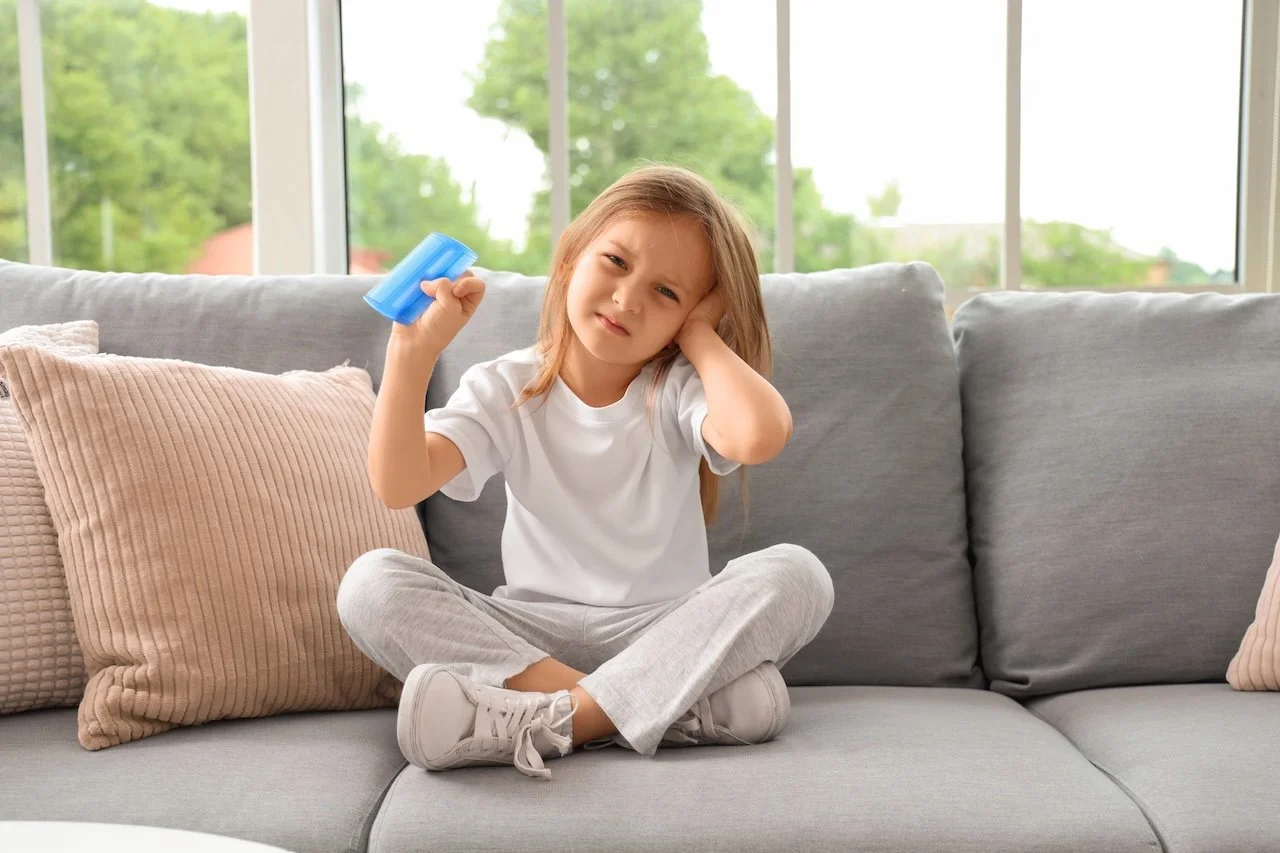
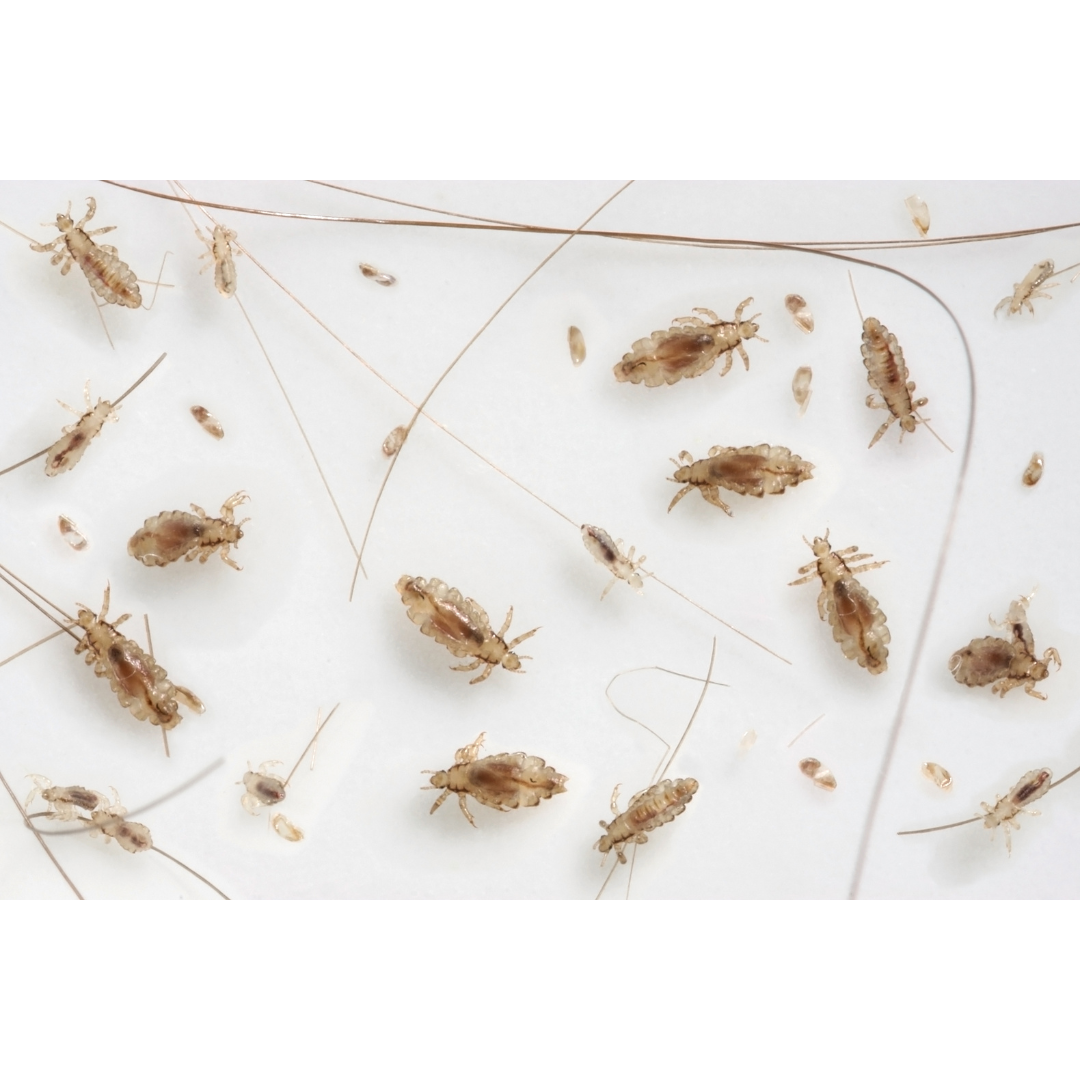
Adults are harder to check. Grey hair hides nits well. Thinning hair makes them easier to see but harder to comb thoroughly. And adults rarely itch as early as children because their scalps have often built tolerance. An adult can carry lice for weeks with no symptoms at all.
Coordinating a clinic visit for six people is nearly impossible. Different work schedules, mobility for older relatives, childcare for the little ones. Families default to treating the child and hoping. That's how a two-week problem becomes a two-month one.
The fix is simple: treat the household as a unit, in one visit, at home.
How One Visit Handles Everyone
You call and tell us who's in the home. How many adults, how many children, roughly how many need checking. That sets the appointment length. Most Queens appointments happen the same day, including evenings and weekends.
We arrive in normal clothes. Nobody in the building knows why we're there.
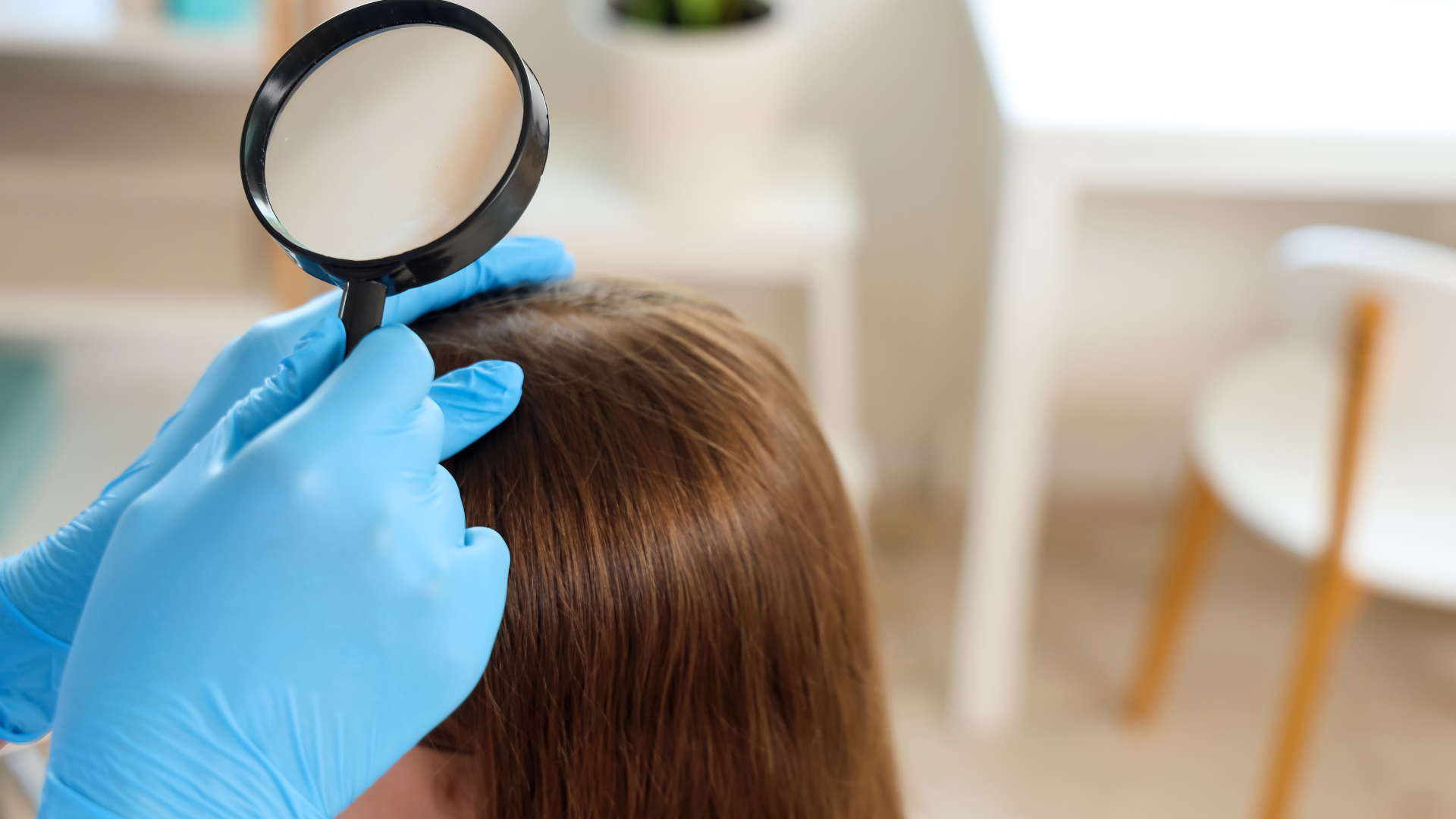
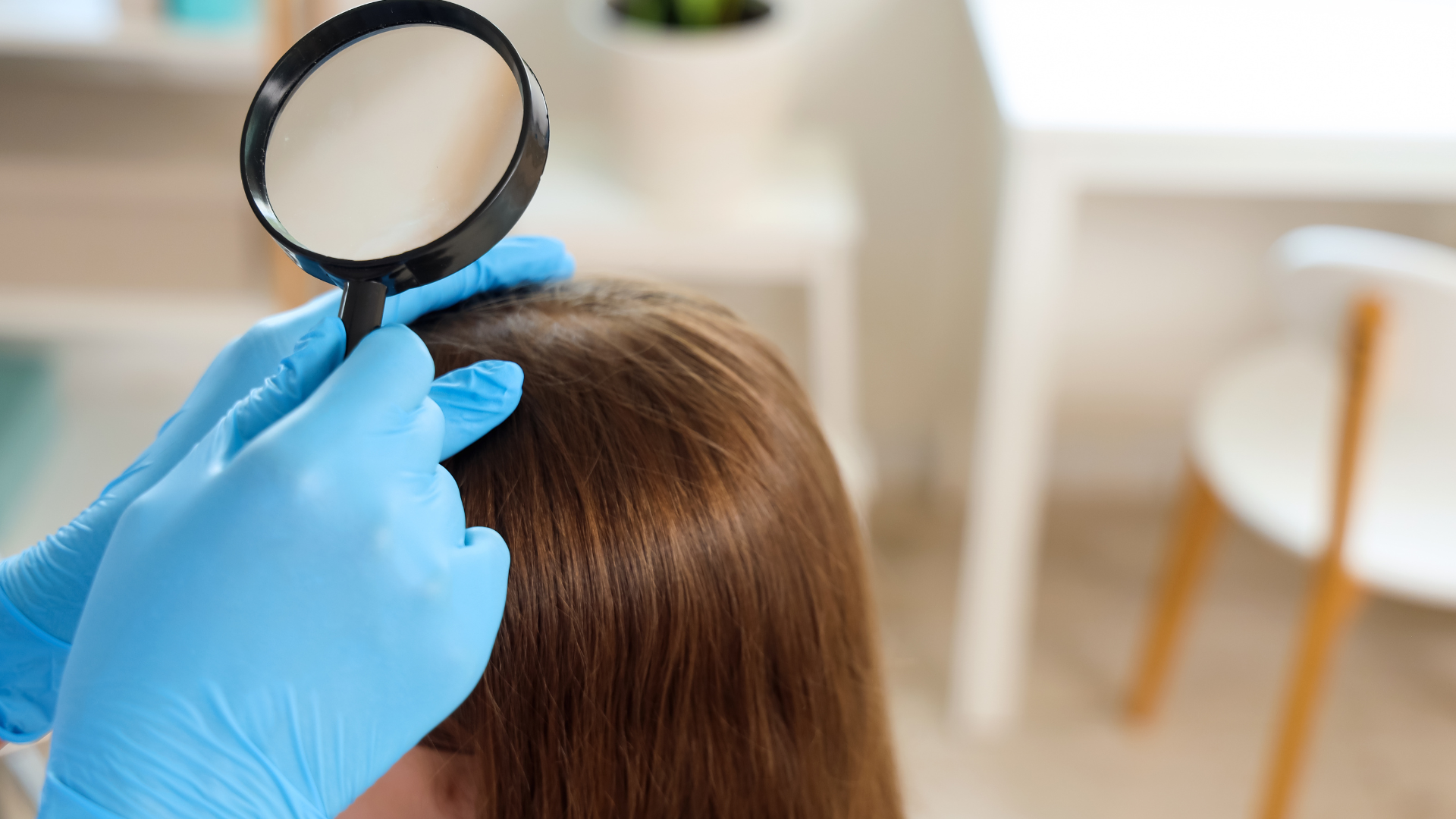
We screen every person. Minutes each, under magnified light, with a professional metal comb. Grandparents included. Anyone clear is noted and finished. Anyone with lice moves to treatment.
We treat everyone who needs it, back to back. Pesticide-free solution, then strand-by-strand manual removal. Our products are safe for grandparents, for pregnant family members, for toddlers. No age restrictions, no chemical concerns for anyone on medication.
We finish with clearance letters for the children and aftercare for the whole household. Then we leave. Everyone treated in the same window, so nobody is carrying lice back to anyone else.
Pricing is flat per person based on hair length, so you know the cost before we arrive. Itemized receipts are provided if you want to submit an FSA or HSA claim to apply for reimbursement; eligibility varies by plan.
Talking to Grandparents About Lice
This is the part nobody writes about. Older relatives often carry real shame around lice. In many of the communities that make up Queens, lice were once treated as a sign of a dirty home, and that belief hasn't gone anywhere.
A few things that help.
Lead with the facts. Lice have nothing to do with cleanliness. They spread through love: hugs, bedtime, braiding hair. Say that out loud.
Frame the check as routine. "We're checking everyone, it's just what you do." Not "we think you might have it."
Let the specialist do the talking. Our team has had this conversation thousands of times, in several languages. A calm professional explaining that this is normal lands differently from a grandchild's parent saying the same thing.
Keep it private. In-home treatment means no one outside the apartment knows. For an older relative, that matters more than anything else we offer.
Aftercare in a Full House
Once everyone is treated, the aftercare is short.
Wash pillowcases and sheets from every bed used in the last two days on hot. Soak every brush and comb in the house in hot water for ten minutes; better still, stop sharing them. Keep long hair tied back for two weeks. Re-check every treated person at day 7 and day 14 with a metal comb. The Nit Terminator Comb we use during treatment is the one to keep in the bathroom for exactly this.
You do not need to fumigate the apartment, throw out the couch, or bag the children's toys for a fortnight. Lice die within a day or two off a human head. The work is on the heads, not the furniture.
Frequently Asked Questions
-
Yes. Anyone whose hair touches the hair of someone with lice can catch them. Adults catch lice less often only because they have less head-to-head contact, not because adult hair or scalps are resistant.
-
Yes. Bedtime stories, shared pillows and hair brushing are the most common ways lice move from a child to a grandparent. Grey hair can also hide nits well, so grandparents often carry lice longer without noticing.
-
Yes. We screen and treat every member of the household, of any age, in the same visit. Our products are pesticide-free and safe for older adults, pregnant family members and anyone on medication.
-
Yes. In a multigenerational home, untreated adults are the most common reason lice appear to "come back" after a child is treated. Screening everyone in one visit closes that loop.
-
Screening takes a few minutes per person. Treatment takes 45 to 90 minutes per person who has lice. A family of five where two people need treatment is typically finished in two to three hours.
-
Pricing is flat per person based on hair length, and screening-only for anyone found clear is priced separately from full treatment. You'll know the cost before we arrive.
-
All of Queens, from Astoria and Long Island City through Flushing, Forest Hills, Bayside, Jackson Heights and Jamaica Estates out to the Nassau border. See our Queens page for the full neighborhood list.
The Bottom Line
Lice don't care how old you are. They care whether your hair touched the hair of someone who has them, and in a home where grandparents do bedtime and cousins share rooms, that describes everyone.
Treating one child while the adults go unchecked is how a two-week problem becomes a two-month one. Treating the household in a single in-home visit ends it.
If someone in your Queens home has lice, Larger Than Lice answers 24/7 across Queens and all of New York City. Call (631) 810-3938 or book online. Everyone checked, everyone treated, one visit.
The earlier you act, the smaller the problem stays.

Hi, I'm Eliana
Founder of Larger Than Lice
For 12+ years, I've helped over 35,797 NYC families get through the exact moment you're in right now. Take a breath. We've got you.
Trusted by 35,797+ NYC Families
Rated 5 stars on Google, Yelp & BBB
Found Lice Right Now?
Don't wait until morning.
Anytime. Anywhere. Larger Than Lice.®