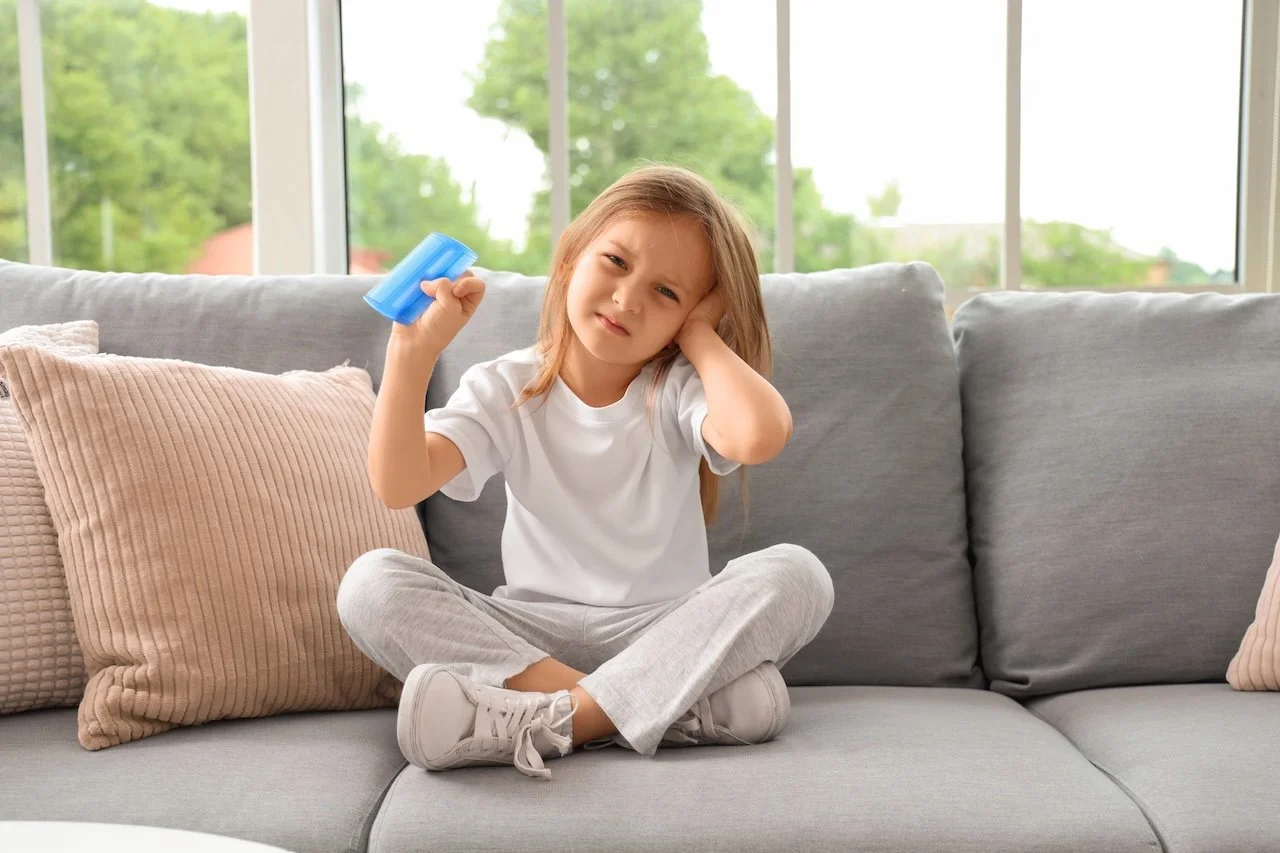
Signs Your Child Has Lice Before the School Calls You

Most parents find out their kid has lice the same way: a phone call from the school nurse on a Tuesday afternoon. By that point, the lice have usually been there for 2 to 6 weeks. Eggs have hatched. Multiple kids in the class are infested. Your weekend is ruined.
But here's what most parents don't realize: there are early signs of lice that show up days or even weeks before the school catches it. Subtle ones. Behavioral ones. Signs that get dismissed as "tired kid" or "winter scalp" or "just a phase."
If you can spot these signs early, you handle the problem on your timeline, not the school's. No emergency calls during your work meeting. No frantic Sunday night treatment. No clearance letter rush before Monday morning.
Here's the full list of what to watch for, why parents miss it, and exactly what to do when you see it.
Need a same-day professional check? Larger Than Lice provides in-home lice screening across NYC, 24/7. Call (631) 515-7703 or book online.
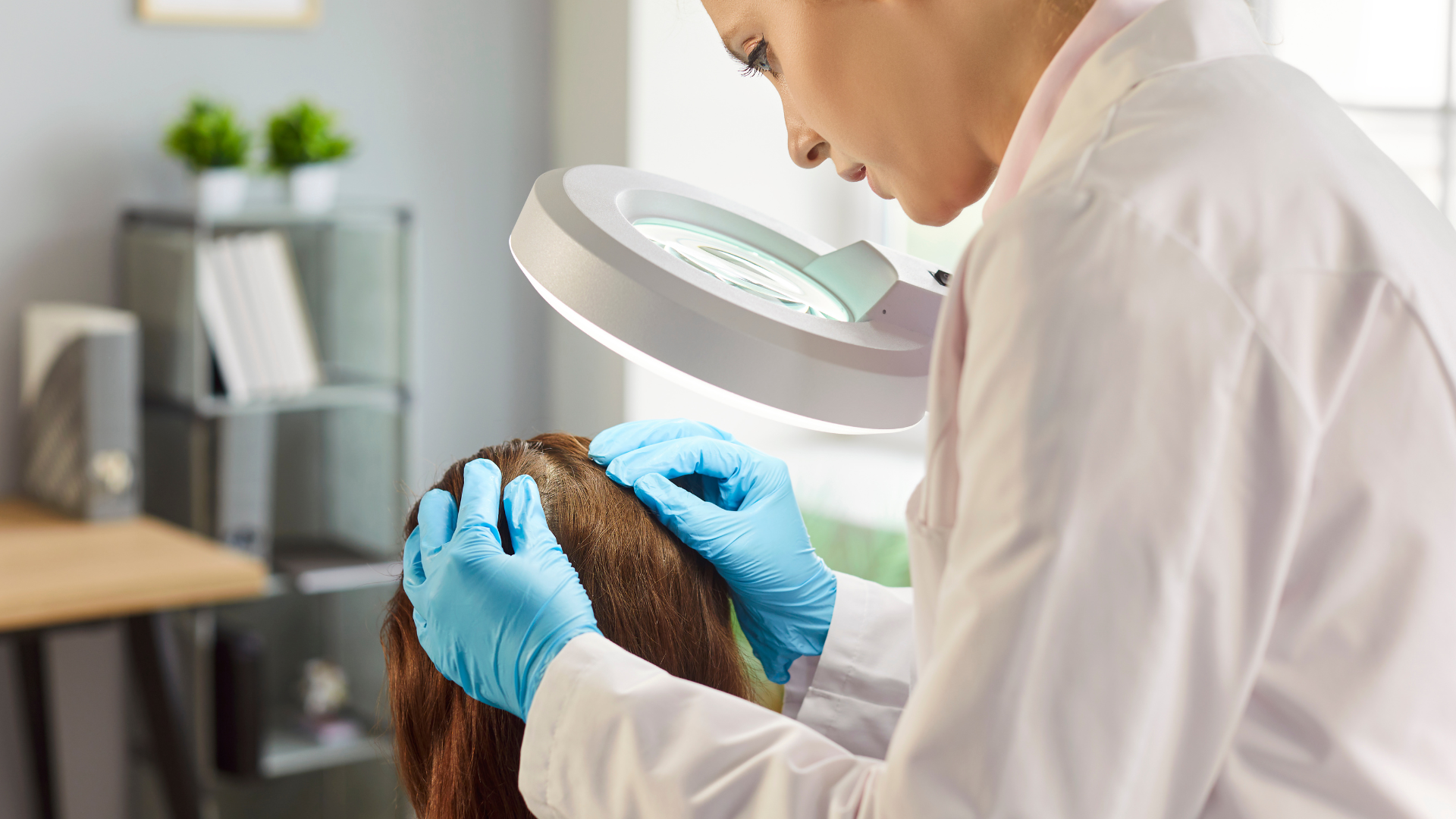
Why You Want to Catch Lice Before the School Does
Quick math on the timeline. The CDC and American Academy of Pediatrics agree: itching, the symptom most people associate with lice, only starts after the scalp develops an allergic reaction to lice saliva. On a first-time infestation, that can take 4 to 6 weeks to kick in. By the time your child is scratching enough for a teacher to notice, an adult louse has had time to lay 200 to 400 eggs.
This is the gap you want to exploit as a parent. Lice are detectable visually long before they're detectable by symptoms. If you know what to look for, you can find them in week one, not week four. That difference is the difference between a one-visit treatment and a multi-week household problem. We break down exactly how fast that household spread happens in our blog on how quickly lice spread through a household.
The Behavioral Signs Parents Almost Always Miss
Forget the symptom lists you've read on medical sites. Those describe a confirmed case. These are the early behaviors that show up before any itching, and they're the ones parents dismiss most often.
1. They Keep Touching the Back of Their Neck or Behind Their Ears
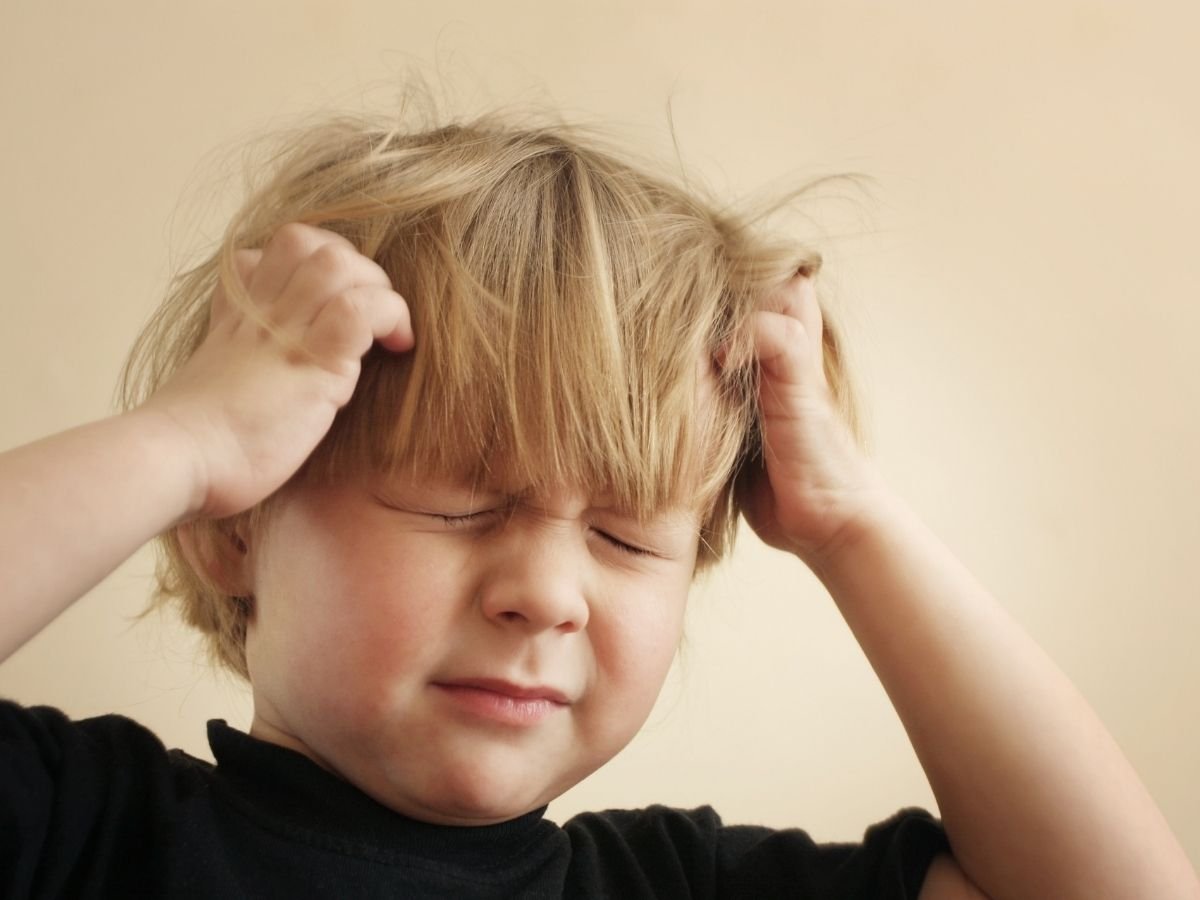
Long before the itch is bad enough to register consciously, kids will start rubbing the nape of the neck or the area behind the ears. Just a little. A quick scratch. A neck roll. Pulling their hair away from their collar.
These spots are where lice cluster. They're warm, dark, and close to the scalp. If you notice your child doing this more than usual, it's worth a check. Not panic. Just a check.
2. They Toss and Turn at Night
Lice are more active in the dark. They move more, bite more, and crawl more when the lights are out. A kid who used to sleep solidly but is now restless, who wakes up multiple times, or who is suddenly hard to settle at bedtime, may be reacting to scalp activity they can't explain.
Parents usually chalk this up to growth spurts, screen time, or stress. Sometimes it's lice.
3. They're Cranky for No Obvious Reason
Mild sleep disruption plus a constantly mildly itchy scalp creates a low-grade misery that kids can't articulate. They get short-tempered. They cry easier. They have meltdowns over things that wouldn't usually bother them.
Most parents diagnose this as "off day" or "tired week." Always check the scalp before assuming it's emotional.
4. They Avoid Brushing or Doing Their Hair
For kids who don't mind hair-care routines, sudden resistance is meaningful. Brushing can be uncomfortable when the scalp is irritated. They may pull away, flinch when the brush hits a specific spot, or say they want to wear a hat instead.
5. They Complain About a "Tickle" or "Something Moving"
Younger kids especially will describe lice without using the word. "There's something on my head." "It feels weird." "I keep feeling something but nothing's there." Believe them and check.
6. They've Had a Sleepover or Playdate in the Last Two Weeks
Not technically a sign, but a major risk factor. Sleepovers, after-school programs, sports practices, and birthday parties are the most common transmission events. If your child has been to any of these in the last 14 days and is now showing any of the above behaviors, screen them immediately.

The Physical Signs to Look For
Once you're ready to do an actual check, here is what you're looking for and where.
Tiny White or Yellow Specks Glued to the Hair Shaft
Lice eggs, called nits, are the most reliable early visual sign. They're oval, about the size of a poppy seed, and yellowish-white or tan. They attach to individual hair strands within a quarter-inch of the scalp.
The dead giveaway: nits don't move when you try to brush them off. Dandruff flakes flick off easily. Hair product residue rubs off. Nits are glued in place with a substance lice produce that's almost impossible to dislodge with regular brushing. You have to pull them off the strand with your fingernails or a fine-toothed lice comb.
Live Lice (Harder to Spot)
Adult lice are about the size of a sesame seed, tan to grayish-brown, and they move fast. They avoid light, which is why they hide near the scalp and at the nape of the neck. You'll often see nits long before you see an actual live louse.
If you do spot a fast-moving speck darting away from a light source, that's a confirmed case.
Tiny Red Bumps on the Scalp, Neck, or Behind the Ears
Lice bites leave small irritation marks. They look like little red dots, sometimes with a slight raised bump. These can be subtle on lighter skin and harder to see on darker skin. Check the back of the neck and behind both ears, where bites cluster.
Crusty Patches or Scabs From Scratching
A more advanced sign. If your child has been scratching unconsciously for a while, you may find small scabs near the hairline. By this stage, the infestation is no longer "early," but it's still earlier than what most schools will catch.
Where Exactly to Look
Lice have favorite hiding spots. If you only check the top of the head, you'll miss most cases. Focus your screening here:
Behind both ears. The single most reliable spot. Lift each ear and check the hair directly behind it. Look at the hair within a quarter-inch of the scalp.
The nape of the neck. Lift the hair at the bottom of the hairline and look carefully. Use a bright light.
The crown of the head. Where the warmth pools when kids wear hats.
Along the part line. Easy to scan if your child has a natural part.
Skip the ends of the hair. Lice and viable nits are always close to the scalp. Anything more than a quarter-inch from the root is either an old empty nit shell or not a nit at all.
How to Do an At-Home Check (The Right Way)
Most parents don't find lice during a casual hair check, even when they're there. Here's the method that actually works.
What You Need
A fine-toothed metal lice comb (plastic combs miss nits, so this matters)
Hair conditioner (any kind)
A bright light or phone flashlight
White paper towels
20 minutes
The Process
Wet the hair and saturate it with conditioner. This temporarily slows lice down and makes them visible.
Detangle with a regular brush, then divide the hair into small sections. A Coarse Tail Comb makes clean parts so you can actually see the scalp, which is where nits hide.
Starting at the scalp, draw the lice comb through each section all the way to the tip.
Wipe the comb on a paper towel after every stroke.
Use the bright light to examine what's on the paper towel and what's still on the hair.
Move through every section of the head, paying extra attention behind the ears and at the nape.
If you find anything that looks like a nit, try to flick it off the strand with your fingernail. If it slides easily, it's dandruff. If it's glued in place, you've got lice.
If you're not 100% confident in what you're seeing, that's where a professional in-home lice check earns its money. Trained specialists spot in minutes what tired parents miss in an hour.
If you're seeing two or more of the signs above, book a check rather than guessing. Our Westchester lice specialists and teams across the NYC metro come to you, confirm in minutes, and treat on the spot if needed.
What Lice Are NOT (Common False Alarms)
About half the late-night panic calls we get turn out to be something else. Here's what most parents mistake for lice:
Dandruff. Flakes that brush off easily. Lice nits are glued in place.
Hair product residue. Gel, hairspray, or dry shampoo can leave white specks. They wipe off.
Dead skin / scalp buildup. Common on kids who don't shampoo often. Usually appears in patches, not glued to individual strands.
Sand or lint from hats or pillowcases. Looks scary at first. Falls off when you blow on it.
Hair casts. Whitish tubes that slide along the hair shaft, sometimes mistaken for nits. They move freely, while nits do not.
Scabs from scratching. If your child has been itchy from anything (dry winter scalp, eczema, sweat), tiny scabs can look like nits at first glance. The difference is that scabs sit on the scalp surface, not glued to a hair strand.
When in doubt, take a clear photo with your phone in good light and zoom in. Or just call a specialist for confirmation.
The "Caught It Early" Advantage
Catching lice in the first week of an infestation, before the school knows, before symptoms become severe, before it spreads to siblings, gives you a completely different experience as a parent.
What an early catch looks like:
One person to treat, not three
A single 1 to 2 hour appointment
No clearance letter scramble before Monday morning
No awkward email to the parent group chat
No missed school days
Treatment cost stays low (one person, one visit)
What a late catch looks like:
Three or four family members to treat
Multiple coordinated appointments
A week or two of missed school
Mandatory school notification
Clearance letters for every kid
Treatment cost triples or quadruples
The cost difference alone is usually $400 to $600. The stress difference is incalculable.
This is especially true for families in dense neighborhoods. Manhattan families and Brooklyn families we work with consistently tell us the same thing: the early catch made everything easier. The late catch felt like a five-alarm fire.

When to Screen Your Child (Even If Nothing Seems Wrong)
Some moments are higher-risk than others. Do a head check within 48 hours if:
A note came home from school about lice in the class or grade
Your child had a sleepover in the last two weeks
Another family in your social circle mentioned a case
Your child went to a birthday party, camp, or sports event with shared helmets or hats
You returned from a family vacation involving shared hotel beds or rental properties
It's the start of a new school year (August to October is peak lice season)
Your child is in pre-K or elementary school and you haven't checked in 30+ days
Weekly head checks during peak season take five minutes and catch problems early. Most NYC parents skip this and only check when something's wrong. By then, the window for an easy fix has often closed.
What to Do the Moment You Find Something
Don't panic. Don't run to the drugstore. Don't strip the beds and start a 10-load laundry marathon. None of that helps.
Do this:
Confirm what you're seeing. Take a clear photo if possible. Try to flick the speck off the strand. If it's glued, it's likely a nit.
Tie back long hair on every household member. Stops further spread immediately.
Skip the OTC shampoo. Lice in NYC have built resistance to most drugstore products. Spending $40 on Nix or RID often makes professional treatment harder the next day.
Book a professional in-home appointment. Same-day availability across the NYC metro. A specialist confirms the case, treats it with pesticide-free products, removes every nit by hand, and provides a school clearance letter before leaving.
Skip the apartment-wide deep clean. Read our full breakdown on what's actually worth cleaning. Spoiler: it's a much shorter list than you think.
If you found lice at night specifically, our emergency guide for discovering lice after dark walks through every step from the first hour onward.
How to Talk to Your Child About It
The mental health piece matters as much as the medical piece. Kids pick up on parental panic instantly. They internalize embarrassment, and it can color how they feel about themselves for weeks.
Keep your tone calm. Say something like, "Lice is really common. Half your class has probably had it at some point. We caught it early and we're going to take care of it tonight." That's it. No tragedy, no shame, no big deal.
Lice are not a hygiene issue. The CDC, every pediatric organization, and every lice specialist on the planet agree on this. They prefer clean hair to dirty hair, if anything. The kids who get lice are usually the kids who hug their friends, sit close on the rug, and share their hair clips. Their warmth is the cause, not their cleanliness.
Should You Tell the School Before They Tell You?
Yes, and here's why: schools strongly prefer parents who self-report. A note from you saying "We found lice last night, we're treating tonight, we'll have a clearance letter for tomorrow" is treated as responsible parenting. Schools won't single out your child. They'll quietly notify other parents in the class, and you'll have done your community a favor.
Schools that find out a case existed for a week before the parent said anything are less generous. They'll often require more documentation and stricter return procedures.
If you have a professional treatment, ask for the clearance letter before the specialist leaves. Bring it to the school office in the morning. Most NYC schools, public and private, accept standard clearance letters and readmit the same day. Our 4-week lice-free guarantee covers you if anything reappears within a month.
Frequently Asked Questions
-
During peak lice season (August through October and January through March), weekly head checks are smart. Off-season, every 2 to 4 weeks is fine. If a note comes home or your child has been at a sleepover, screen within 48 hours regardless of season.
-
Behavioral. Restless sleep, frequent neck or ear scratching, irritability, or hair-care resistance. Itching is one of the last symptoms to show up, not the first.
-
Yes. About half of people with lice never itch significantly, especially on a first infestation. Visual screening with a comb is the only reliable detection method.
-
Take a clear, well-lit photo and send it to a professional. Most NYC lice services offer photo verification. Or schedule an in-home lice check for same-day confirmation. We screen across Manhattan, Brooklyn, Upper East Side, Upper West Side, Financial District, Queens, the Bronx, Staten Island, and the surrounding NYC metro.
-
Yes, easily. Parents who do bedtime stories, cuddles, or hair-styling for an infested child are at high risk. If your child has lice, screen yourself within 24 hours.
-
No. Brushes can be soaked in 130°F water for 10 minutes. Stuffed animals don't need attention unless they've been in direct head contact in the last 48 hours, and even then, a 48-hour sealed bag is enough. Lice die quickly off the human scalp.
-
A single in-home visit, usually 1 to 2 hours per person. Larger Than Lice typically arrives within 1 to 3 hours of your call, day or night, across the NYC metro area. Flat-rate pricing, no hourly surprises, and a school clearance letter before we leave. FSA and HSA accepted.
The Bottom Line: Beat the School to It
Lice are easier to handle when you find them first. The school nurse is looking for confirmed cases that are already weeks old. You can look for the subtle behavioral and physical signs that show up much earlier.
Check behind the ears. Check the nape of the neck. Watch for restless sleep and unexplained scratching. Do a real lice-comb screening once a month during the school year. And if you spot something, act in hours, not days.
If you're an NYC parent and you've found something suspicious, or if you just want a professional pair of eyes for peace of mind, Larger Than Lice answers 24/7.
Call (631) 515-7703 or book your appointment online.
A trained specialist can be at your door before bedtime tonight.

Hi, I'm Eliana
Founder of Larger Than Lice
For 12+ years, I've helped over 35,797 NYC families get through the exact moment you're in right now. Take a breath. We've got you.
Trusted by 35,797+ NYC Families
Rated 5 stars on Google, Yelp & BBB
Found Lice Right Now?
Don't wait until morning.
Call (631) 810-3938
Anytime. Anywhere. Larger Than Lice.®