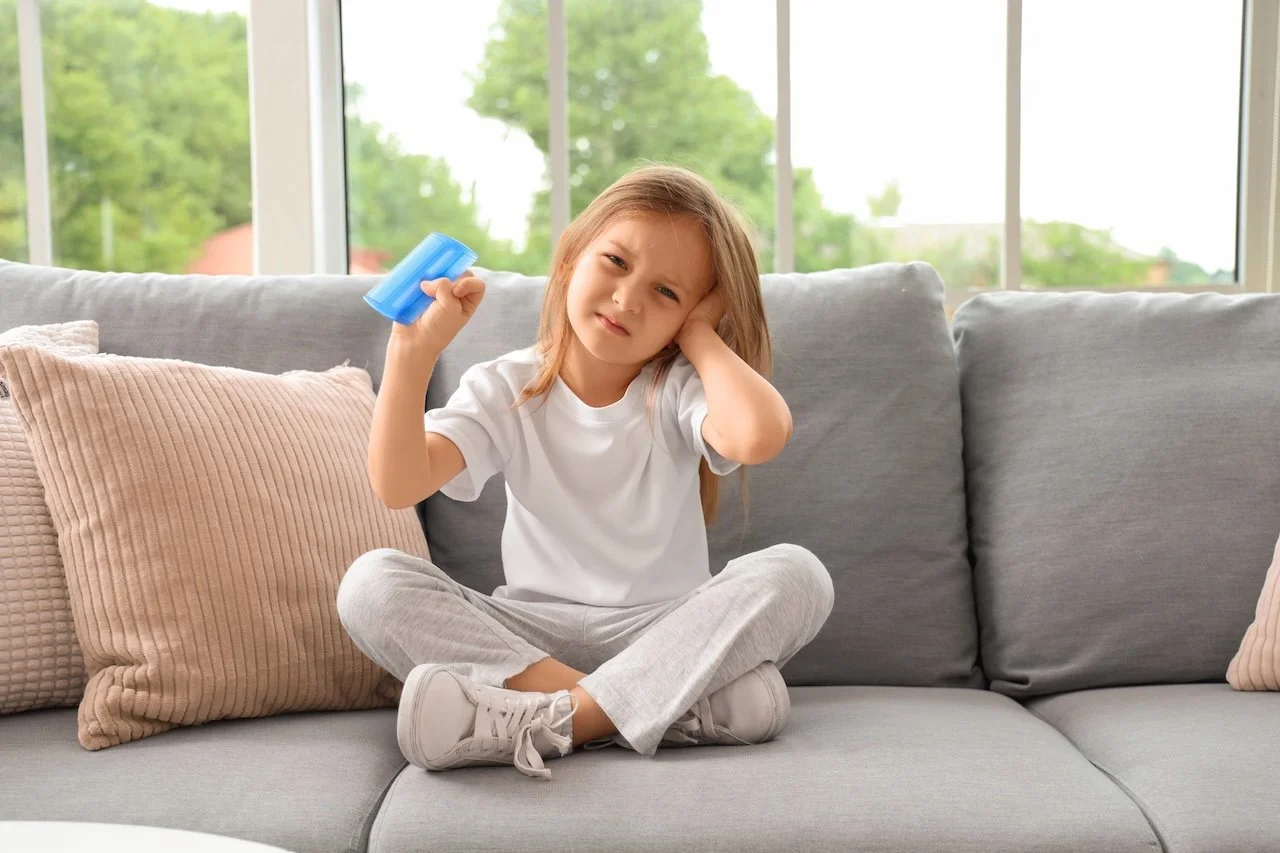
Can Kids Get Lice From Swimming Pools? What Parents Need to Know
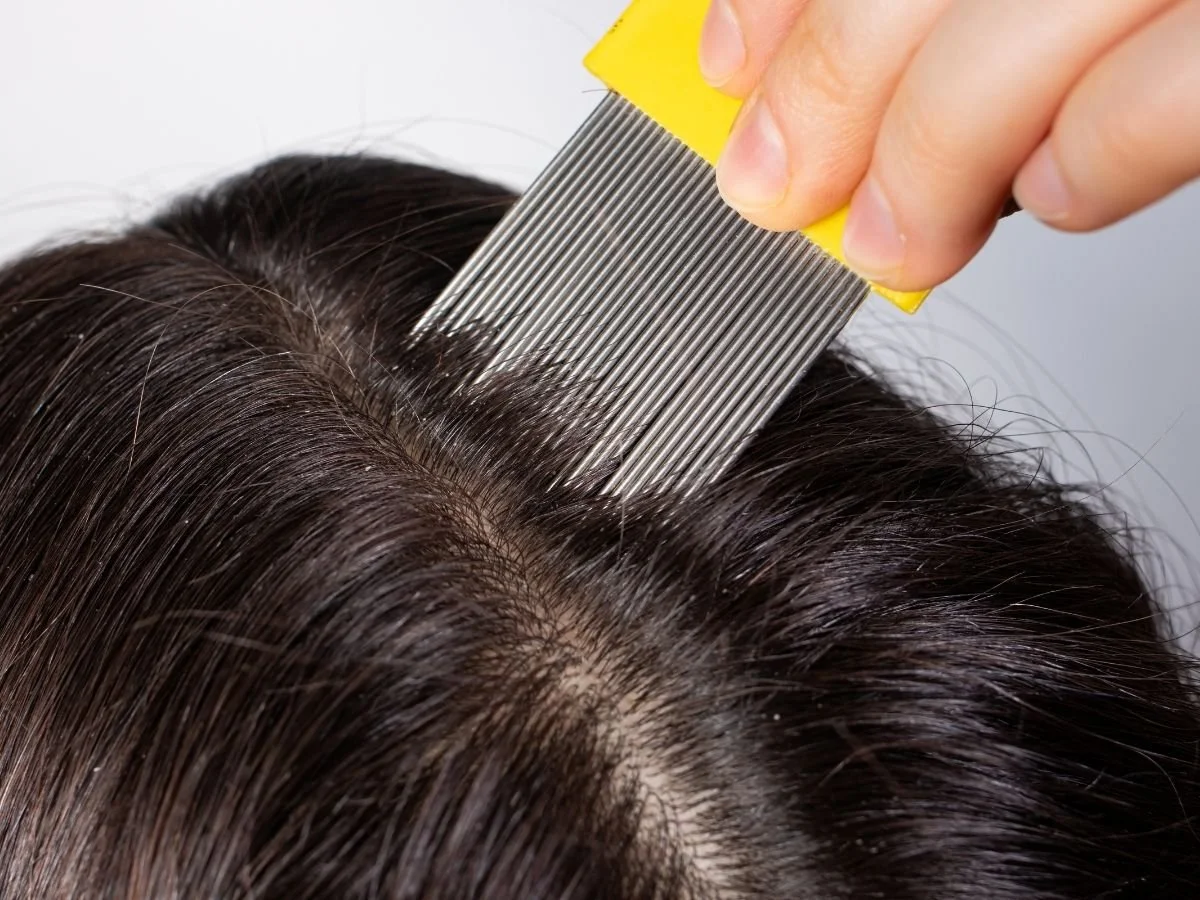
Summer in the tri-state means pool clubs, swim lessons, day camp, water parks, and lake weekends. It also brings a familiar parent worry: every time lice come up at camp or in the class group chat, the same question surfaces.
Can my kid catch lice from a swimming pool?
The honest, science-backed answer: no. The CDC, American Academy of Pediatrics, and every credentialed lice specialist agree on this. Kids do not catch lice from pool water, lake water, salt water, or splash pads.
But the more useful answer is what happens around the water. While the water itself is essentially zero risk, the close-contact moments before, during, and after swimming are how lice actually spread in summer.
Need a same-day in-home lice screening? Larger Than Lice provides 24/7 in-home lice removal across NY, NJ, and CT. Call (631) 509-7418 or book online.
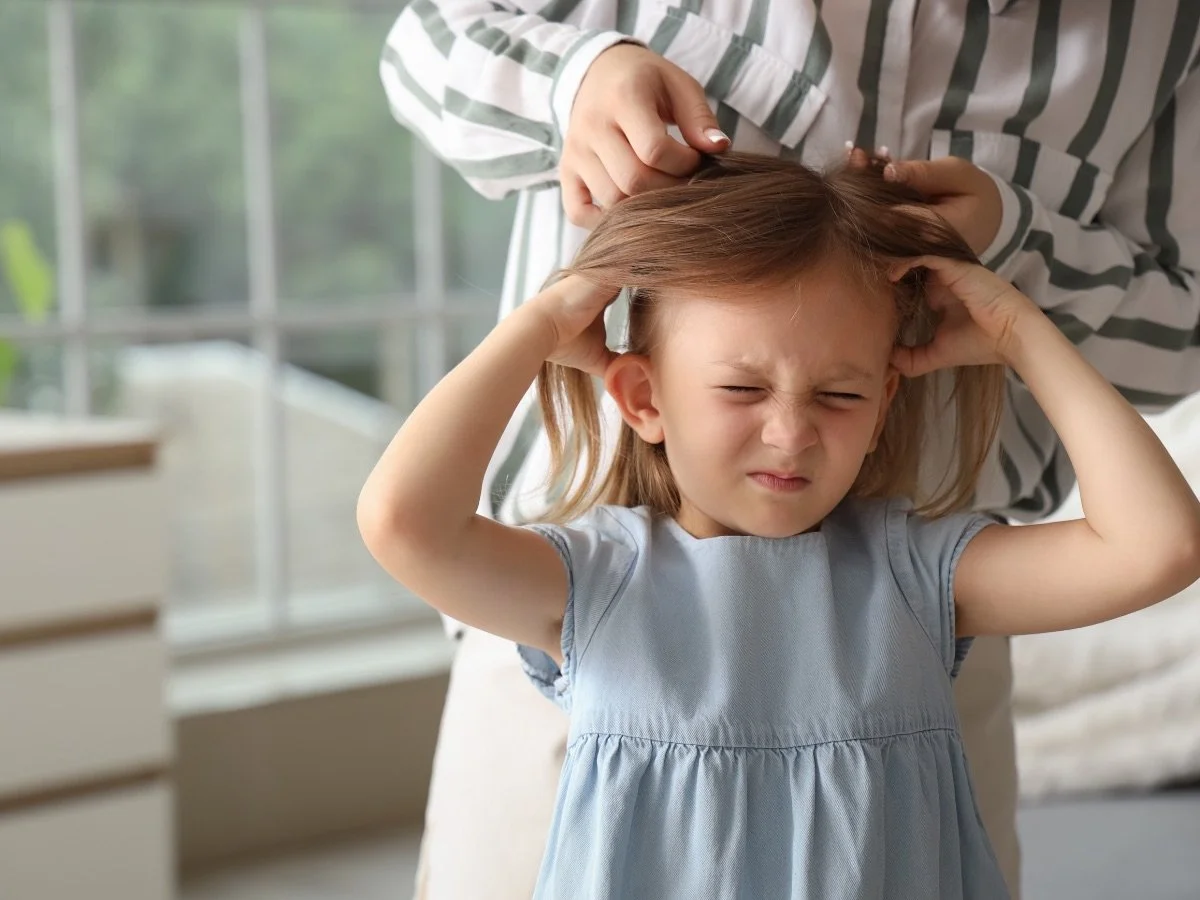
Why Lice Don't Spread Through Pool Water
Three biological facts make pool water a non-issue.
Lice grip hair like climbing equipment. Each of a louse's six legs ends in a claw-like hook evolved to grip a cylindrical hair shaft. When water hits, the louse tightens its grip rather than letting go.
They hold their breath for hours. When submerged, lice close their respiratory openings (spiracles) and enter a dormant state, surviving up to 4 hours underwater. A 2007 Journal of Pediatric Nursing study submerged lice in chlorinated pool water for 20 minutes and found they were temporarily immobilized but fully recovered within a minute of being removed.
They cannot swim. Lice have no swimming mechanism. Even if one fell off, it couldn't actively reach another swimmer.
This is why the CDC officially states that head lice are unlikely to be spread through pool, hot tub, or splash pad water.
Does Chlorine Kill Lice?
No, and it's worth correcting this myth because some parents send kids to the pool hoping the chlorine will "clean" an active infestation. It won't.
Public pools maintain chlorine between 1 and 3 parts per million (ppm). To kill lice, you'd need 5 to 10 times that concentration sustained for at least an hour. Lice have a waxy water-resistant exoskeleton, close their spiracles to block chlorine, and grip hair tightly so chlorine never reaches them properly.
Important warning: Do not use higher concentrations of chlorine or bleach on a child's scalp. This can cause chemical burns, eye injury, and chlorine poisoning. For what actually works, see our breakdown of do natural lice treatments work.

How Lice Actually Spread Around Pools
The real transmission risks are all about proximity, not the water.
Group photos with heads pressed close together on the pool deck
Whispering on the shallow steps (especially among younger kids)
Huddling around a phone poolside to watch a video
Swim lesson group instruction with kids sitting hip-to-hip
Wrestling games in the pool or hugging after a long swim
Shared towels that just dried an infested head
Shared swim caps, hair ties, and goggles
Locker room proximity while changing in tight spaces
This is the same head-to-head transmission pattern we covered in how lice spread in classrooms. The pool is just another venue where it happens
What About Lakes, Oceans, Splash Pads, and Water Parks?
Same biology, same answer. The water isn't the risk; the proximity is.
Lakes (Long Island Sound, Lake Hopatcong, the Finger Lakes): Water is fine. Kayak cabins, dock pile-ups, and shared rafts create contact moments.
Oceans (Jersey Shore, Long Island beaches, Connecticut shoreline): Salt water doesn't kill lice. Sandy towels shared between kids can transfer them briefly.
Splash pads: Flowing water is zero risk. Kids playing close on equipment is real risk.
Water parks: Higher transmission than pools due to shared inner tubes, group photos at slide tops, and family raft rides.
Hot tubs: The 100° to 104°F temperature is close to lice's preferred scalp temperature. They survive fine.
Cruise ships: Kids' clubs and splash zones create constant close contact. Cruise-acquired lice are common among tri-state families during winter and spring break trips.
Should Kids Wear Their Hair Up at the Pool?
For long hair: yes. A tight braid, bun, or low ponytail dramatically reduces hair-to-hair contact. Tight French braids are the gold standard for swim team. High buns work for casual pool days. No hairstyle fully prevents lice, but contained hair is far less exposed to other kids' hair.
For shorter hair, behavior matters more than hairstyle: no head-pressing during games, no shared phones poolside, and personal hats and goggles only. For camp and pool-club days, a morning spritz of Buzz Off Lice Repellent Spray is the simplest extra layer. It smells like hair product, not medicine, so kids don't fight it.
After a Day at the Pool: What to Check For
You don't need a full screening after every pool visit. A 30-second visual check during the post-pool shower catches most cases early.
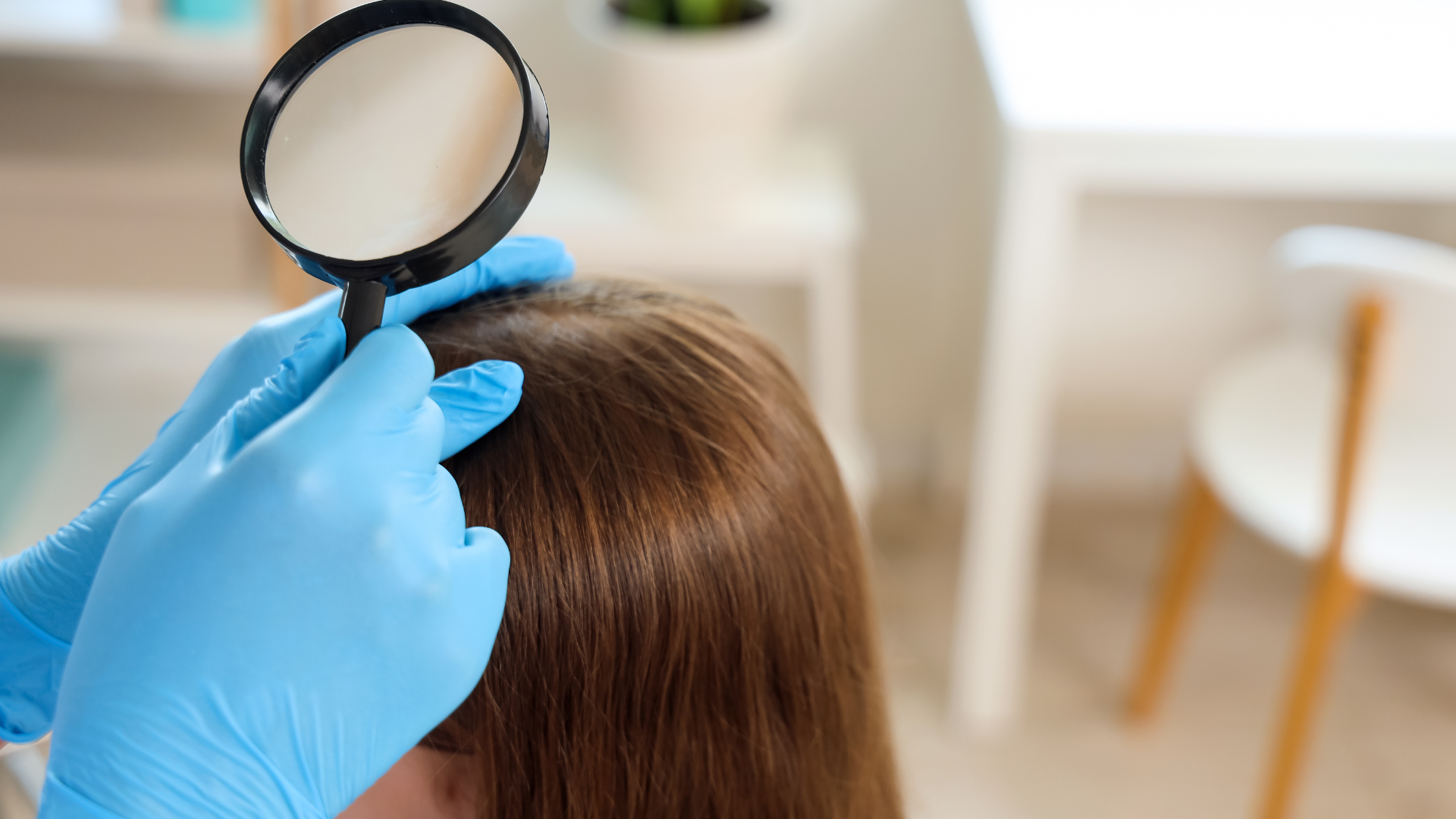
Where to look: Behind both ears, at the nape of the neck, along the hairline, and in the thickest sections of hair.
What to look for: Tan or grayish-brown specks the size of a sesame seed that move fast (live lice), or yellowish-white teardrop specks glued near the scalp (nits). For a full visual guide, see signs your child has lice before the school calls you.
Do a more thorough check after overnight camp stays, multi-day club pool visits, cruises, swim-related sleepovers, or any reported lice case in the swim team or day camp.
What If My Child Already Has Lice and Wants to Swim?
Swimming with an active case doesn't spread lice through the water, but the CDC recommends avoiding the pool for 1 to 2 days after applying chemical lice treatments because chlorine can reduce their effectiveness. If you've used a professional in-home treatment with pesticide-free products, swimming is typically fine right after; just ask your specialist.
The bigger consideration is usually social. Most tri-state families prefer to clear a case professionally before returning to pool clubs or swim team. A one-visit professional treatment with a clearance letter usually means return to swim the next day. More on this in can you get rid of lice in one day.
Six Simple Summer Habits
Tie long hair back at the pool. Tight braid, bun, or low ponytail.
Label personal items. Towels, hairbrushes, hair ties, swim caps, goggles.
Don't share. No swapping caps, hats, or hair accessories.
Bring your own towel. Especially at clubs, beach days, and water parks.
30-second post-pool check. During the shower routine.
Weekly head check during peak weeks. Before and after summer camp especially. See lice season in New York for the full calendar.
When to Schedule a Professional Lice Screening
Sunscreen residue, sand, chlorine deposits, and product buildup can all look like lice or nits to an untrained eye. About half of "I think I see lice" calls turn out to be something else.
A professional in-home screening takes 10 to 20 minutes and removes the guesswork. Larger Than Lice's Certified Lice Specialists provide discreet in-home lice screenings and treatment across Manhattan, Brooklyn, Queens, the Bronx, Staten Island, Long Island, Westchester, New Jersey, and Connecticut. Every appointment is backed by the Larger Than Lice Technique of Cutting-Edge Lice and Nit Removal® and a 4-week lice-free guarantee. 12+ years of experience, 35,000+ families served.
Frequently Asked Questions
-
No. Lice grip hair tightly and cannot transfer through water. The CDC explicitly states that head lice are unlikely to spread through pool, hot tub, or splash pad water.
-
No. Standard pool chlorine concentrations (1 to 3 ppm) are far too low to harm lice. Studies have submerged lice for 20 minutes with no kills.
-
Tight-fitting swim caps can provide some protection, especially during swim team practice where hair-to-hair contact is frequent. They're not a guarantee, but they reduce risk meaningfully.
-
No. Same biology applies. The water (fresh, salt, or chlorinated) isn't the risk. Close head contact during water activities is.
-
Yes from a transmission standpoint. But avoid swimming for 1 to 2 days after applying chemical lice treatments, as chlorine can reduce their effectiveness.
-
No. Tell the coach, ensure your child's hair is tied back, and avoid sharing equipment. Active lice cases should be treated first; once cleared, return to practice is fine.
-
Wash the towel in hot water immediately and dry on high heat for 20+ minutes. Check your child's hair for the next 7 to 14 days, since symptoms can take time to appear.
-
Private club pools and pools at sleepaway or day camps tend to see more clustered transmission, mainly because the same kids spend more time together with sustained contact. Public pools see briefer, lower-contact visits.
The Bottom Line
Pool water is not a meaningful source of lice transmission for NY, NJ, or CT kids. Lice don't release in water, can't swim, hold their breath for hours, and survive pool chlorine without issue. What matters is what happens around the pool: heads pressed together for photos, shared towels and caps, locker room closeness, family pile-ups on rafts.
Build a few simple habits, tie hair back, don't share gear, do a quick post-pool check, and your family can enjoy an entire summer of pool time, beach days, and water parks without bringing home lice.
If you do spot something suspicious or want a professional pair of eyes for peace of mind, Larger Than Lice answers 24/7 across NY, NJ, and CT.The Bottom Line
Pool water is not a meaningful source of lice transmission for NY, NJ, or CT kids. Lice don't release in water, can't swim, hold their breath for hours, and survive pool chlorine without issue. What matters is what happens around the pool: heads pressed together for photos, shared towels and caps, locker room closeness, family pile-ups on rafts.
Build a few simple habits, tie hair back, don't share gear, do a quick post-pool check, and your family can enjoy an entire summer of pool time, beach days, and water parks without bringing home lice.
If you do spot something suspicious or want a professional pair of eyes for peace of mind, Larger Than Lice answers 24/7 across NY, NJ, and CT.

Hi, I'm Eliana
Founder of Larger Than Lice
For 12+ years, I've helped over 35,797 NYC families get through the exact moment you're in right now. Take a breath. We've got you.
Trusted by 35,797+ NYC Families
Rated 5 stars on Google, Yelp & BBB
Found Lice Right Now?
Don't wait until morning.
Call (631) 810-3938
Anytime. Anywhere. Larger Than Lice.®