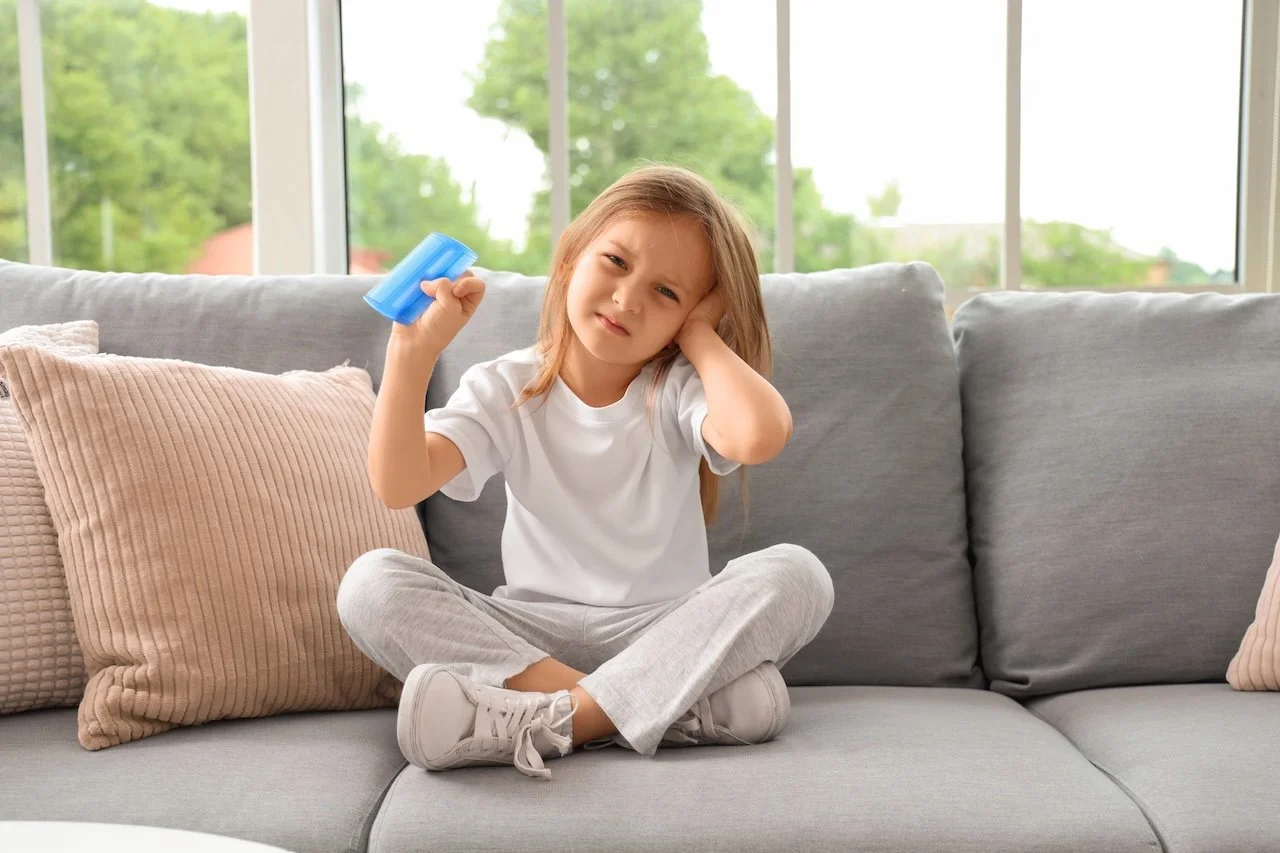
How Long Do Lice Eggs Survive Outside the Hair?

The short answer: Lice eggs (nits) can technically survive up to 7 to 10 days off the scalp, but they almost never hatch once removed from the hair. They need the constant warmth of a human head to develop. A nit that falls onto a pillow, couch, or hairbrush is biologically a dead end.
For NYC parents in the middle of a lice situation, this single fact changes a lot of what you think you need to do. It means most "lice cleaning" advice is overkill, your couch is not infested, and the 10-load laundry marathon can wait. Here's the science behind it and what it means for your home.
Need professional help right now? Larger Than Lice provides 24/7 in-home lice removal across NYC. Call (631) 509-7418 or book online.
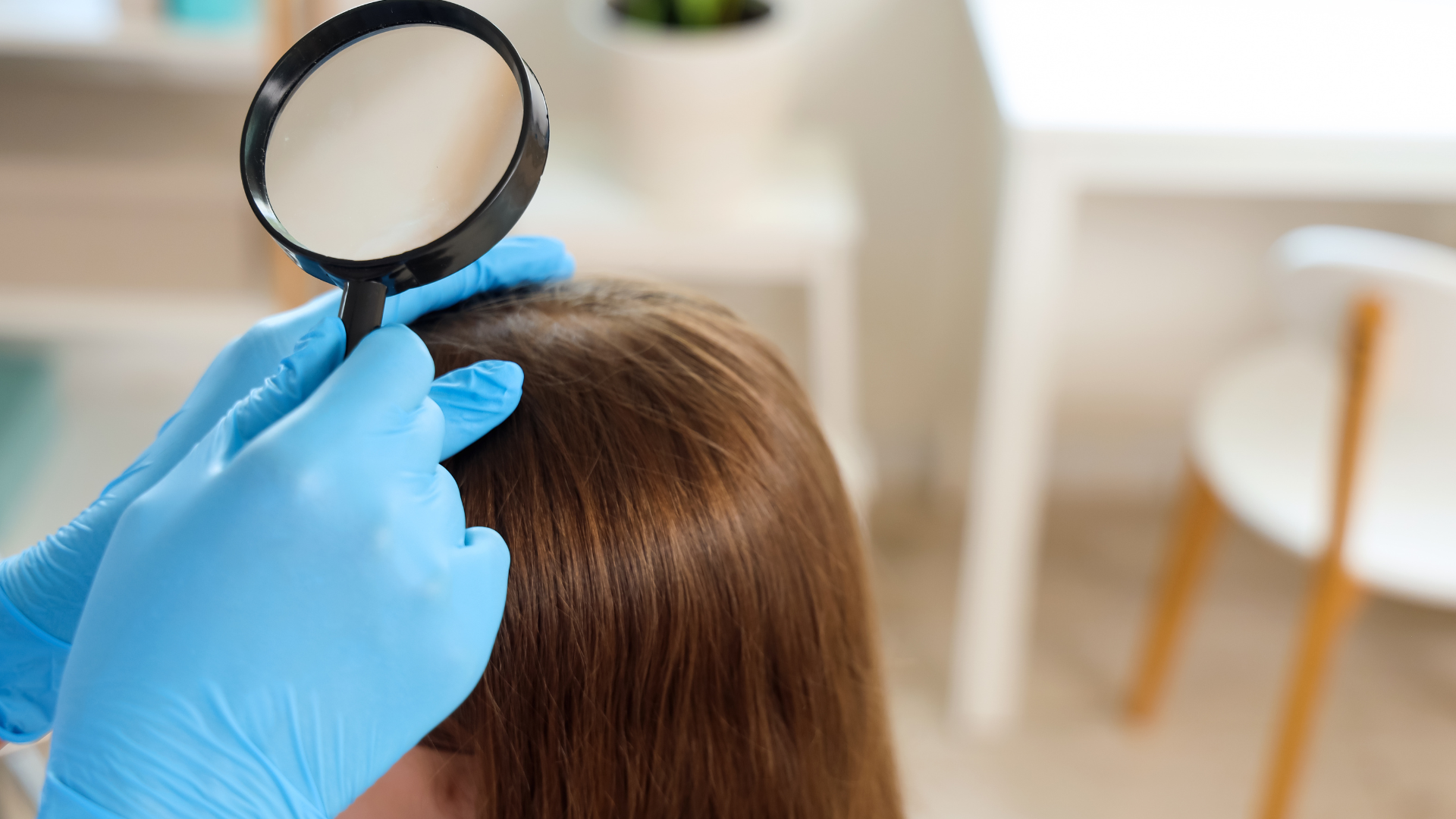
What the CDC and Major Authorities Actually Say
The CDC is clear: nits "cannot hatch and usually die within a week if they are not kept at the same temperature as those found close to the scalp." That temperature is roughly 98.6°F (37°C), the surface temperature of a human head.
Several authoritative sources align on the same finding:
CDC: Nits die within a week off the head
Mayo Clinic and Healthline: Nits require scalp warmth to develop
NC State Extension: Lice (including eggs) rarely survive 24 to 36 hours away from a person in real conditions
Medical News Today: Eggs "will most likely die before they hatch" if dislodged
The technical maximum of 7 to 10 days only applies under optimal lab conditions. In real-world environments, almost no nit that falls off a head ever hatches into a living louse.
Why Lice Eggs Can't Hatch Off the Scalp
Lice eggs need three things to develop: consistent warmth, humidity, and the right position on a hair strand. The scalp provides all three.
Warmth is the deal-breaker. Nits need a steady 95° to 99°F. A pillow at room temperature is roughly 30 degrees too cold. The egg's metabolism shuts down within hours of cooling.
Humidity matters too. The scalp keeps a stable humid microclimate around each hair shaft. Open air, especially in heated NYC apartments during winter, dries nits out within 1 to 2 days.
Eggs are designed for hair, not surfaces. A female louse glues each egg to an individual hair strand with protein-based cement. Once the egg is removed from that position (combed out, shed with the hair, dislodged), the developmental conditions are gone. A nit off the head is functionally non-viable.

What This Means for Your Cleaning Routine
This is the practical part. Most parents we work with at Larger Than Lice spend their first hour after a discovery cleaning the wrong things. Here's what the science actually supports.
What You Don't Need to Do
Vacuum every couch cushion. Nits on furniture won't hatch and adult lice die within 24 to 48 hours off a scalp.
Wash every piece of clothing. Only items that touched the infested head in the last 48 hours matter.
Throw out toys or stuffed animals. They are not a reinfestation source.
Spray pesticides on furniture or carpets. No legitimate authority recommends this. NC State Extension explicitly calls it pointless.
Bag up belongings for 2 weeks. A 48-hour seal is more than enough; even that is conservative.
We have a deeper breakdown of what's actually worth cleaning in our blog on de-lousing the house.
What Is Worth Doing
Pillowcases and sheets used in the last 48 hours: Wash on hot (130°F or higher)
Hats, scarves, and hooded jackets worn recently: Wash on hot
Hairbrushes and combs: Soak in 130°F water for 10 minutes
Car seats and pillows that can't be washed: Seal in a plastic bag for 48 hours
Vacuum the bed and immediate area where the infested person sleeps
That's the whole list. About 30 minutes of work. The American Academy of Pediatrics, CDC, and every lice professional in the country agree: anything beyond this is anxiety, not science.
If you'd rather not do even that, our lice cleaning service handles the bedding, brushes and sleeping area in the same visit as treatment. For soft items you can't wash, Sol-U-Guard Botanical Disinfectant is the plant-based spray we use, not a pesticide.
Why "Lice Egg Survival" Worries Are Usually Misplaced
The fear most parents have is reinfestation from the environment. That fear is mostly unfounded.
Lice spread almost exclusively through direct head-to-head contact (more in our blog on how lice spread in classrooms). A nit on the couch can't crawl back onto a head. A nit on the carpet can't climb hair shafts. Even if a nit miraculously remained viable long enough to hatch, the newborn nymph would need to crawl onto a scalp and feed within hours or die.
What actually causes reinfestation is missed nits on the original infested head, or a household member who wasn't screened during the initial treatment. Both are about people, not furniture.
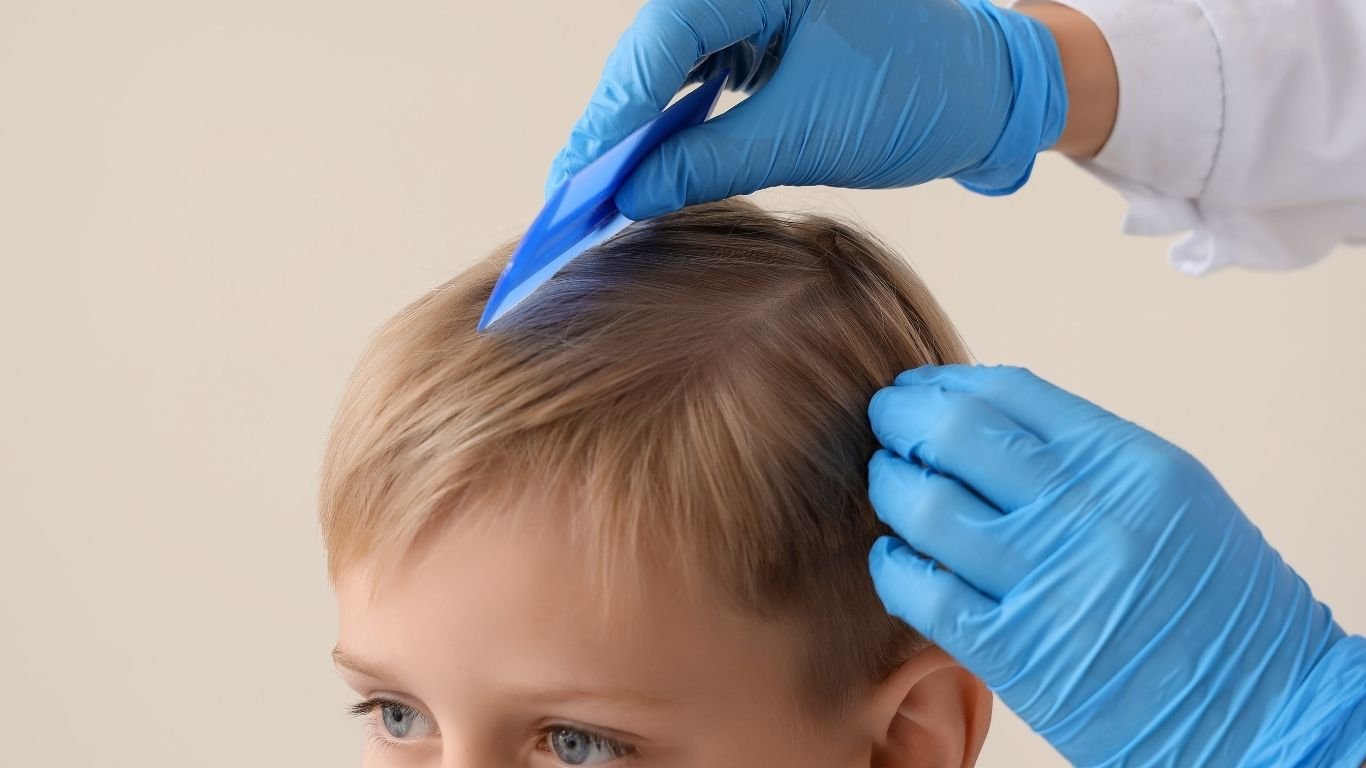
What NYC Parents Should Focus On Instead
The energy that goes into deep-cleaning an apartment is better spent on three things.
1. Treat the Infested Person Completely
A single thorough professional treatment removes every nit and live louse in one visit. We covered the realistic time math in drugstore lice treatments vs professional removal and can you get rid of lice in one day. DIY combing can also work but requires hours of dedicated time over 2 to 3 weeks.
2. Screen Every Household Member
Lice on one family member's head is the real reinfestation risk, not your couch. Anyone with regular head contact (siblings, parents, anyone sharing a bed) should be screened within 24 hours of discovery.
3. Tie Long Hair Back at School
For the next 14 days, tight braids or buns reduce hair-to-hair contact at school, which is where almost all transmission happens. We covered this protocol in signs your child has lice before the school calls you.
These three steps end the case. Cleaning the apartment doesn't.
Frequently Asked Questions
-
Almost never. Nits need scalp-level warmth (98.6°F) to develop. A pillow at room temperature is too cold for the embryo to complete its life cycle. Even if a nit technically remains viable for 7 to 10 days, it will not hatch outside of scalp conditions.
-
No. Soak them in 130°F water for 10 minutes. That kills any lice or nits that may have transferred. New brushes aren't necessary.
-
24 to 48 hours, with 24 to 36 hours being more realistic in everyday conditions. They die from dehydration and lack of blood feeding.
-
Only if the infested person spent significant time with their head against a car seat or headrest in the last 48 hours. Wipe the headrest or seal the car seat cover in a bag for 48 hours.
-
Skip them entirely. Human head lice cannot live on or be transmitted by pets.
The Bottom Line
Lice eggs off the scalp are biologically a dead end. They can technically survive up to a week, but they cannot hatch without scalp warmth, and they cannot move to find a new host on their own.
For NYC families, this means the real work is on the head, not in the apartment. Treat the infested person completely, screen the household, keep hair tied back at school for 14 days, and do a 30-minute cleanup of pillowcases, hats, and brushes. That's the entire playbook.
If you've found lice on your child and want it fully gone tonight, Larger Than Lice answers 24/7 across all five boroughs and the surrounding NYC metro area.
A specialist can be at your home this evening with a clearance letter ready for school tomorrow.

Hi, I'm Eliana
Founder of Larger Than Lice
For 12+ years, I've helped over 35,797 NYC families get through the exact moment you're in right now. Take a breath. We've got you.
Trusted by 35,797+ NYC Families
Rated 5 stars on Google, Yelp & BBB
Found Lice Right Now?
Don't wait until morning.
Call (631) 810-3938
Anytime. Anywhere. Larger Than Lice.®