How Quickly Can Lice Spread Through a Household? A Day-by-Day Timeline

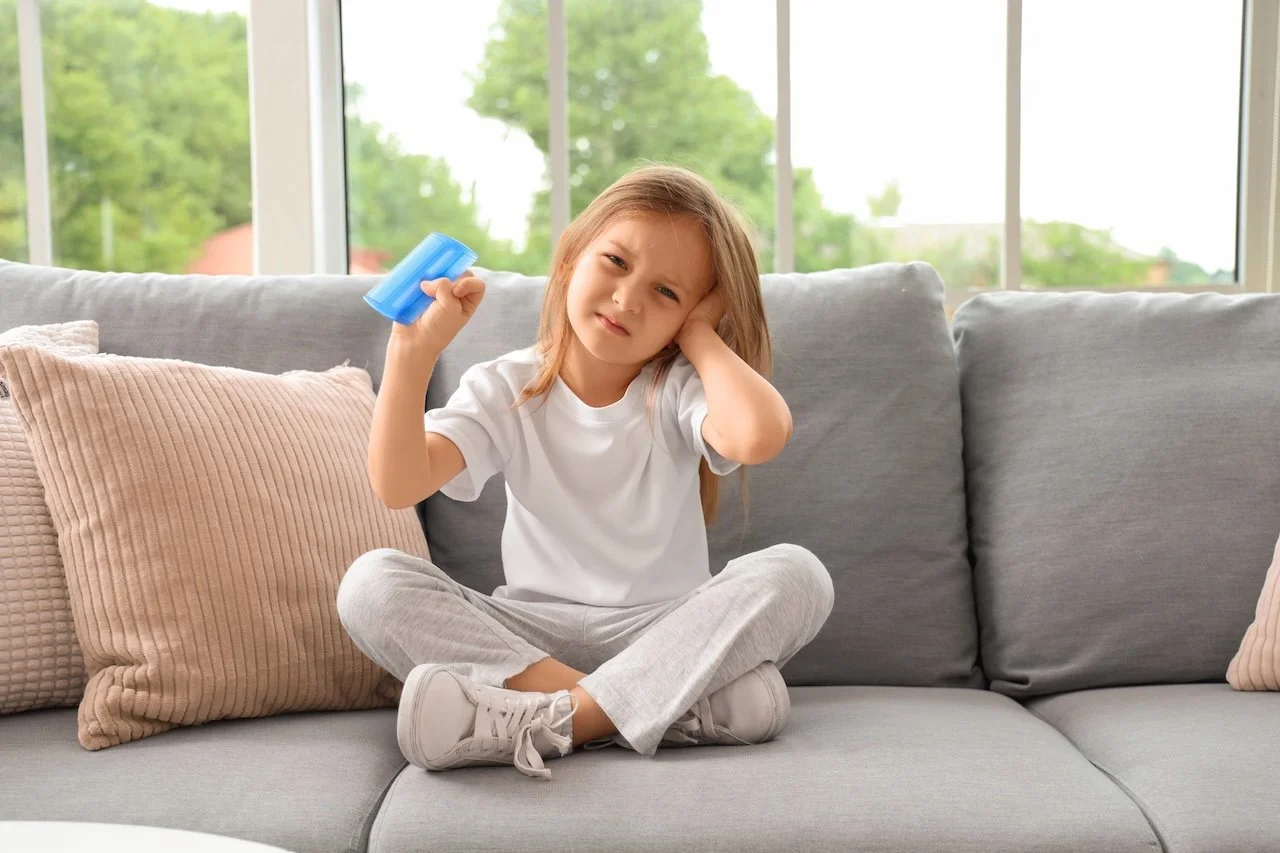
The school nurse called. Your daughter has lice. By the time you get home, the question hits you sideways: how long do I have before the rest of the family has it too?
The honest answer is shorter than most parents think, but slower than the panic in your chest is telling you. Here's the real day-by-day timeline of how lice spread through a household, what speeds it up, what slows it down, and the exact moment you should stop trying to handle it alone.
Already need help? Larger Than Lice provides 24/7 in-home lice removal across NYC. Call (631) 515-7703 any time. Same-day appointments available across all five boroughs.
The Short Answer: How Fast Lice Spread At Home
A single case of lice can become a household-wide infestation in 2 to 4 weeks if nobody intervenes. But the actual spread between people in the same home usually happens in the first 72 hours after the first case appears. After that, it's not really "spread" anymore. It's the eggs already laid that keep the cycle going.
Here's why the timeline matters: lice don't fly, jump, or migrate around your apartment. They crawl, slowly, from one head to another, only when those heads are touching. So the spread is entirely a function of how much head-to-head contact happens in your home. In a busy NYC apartment with shared beds, couch cuddles, and bathroom routines, that contact adds up fast.
The Day-by-Day Spread Timeline
Day 0: One Person Has Lice (You Just Don't Know It Yet)
This is the part most parents miss. By the time you find lice on a child's head, they have likely been there for 2 to 6 weeks already. Lice are tiny, fast, and avoid light. Their itch only kicks in after the scalp develops an allergic reaction to the bites, which can take 4 to 6 weeks on a first-time infestation.
So when the school nurse calls on a Tuesday, your child probably picked up lice in late September or early October. That's weeks of head-to-head contact at home before anyone noticed.
Day 1 to Day 3: The Critical Spread Window
This is when the most transmission inside the home actually happens. Why?
Bedtime stories with heads touching
Shared pillows during a movie
Siblings sleeping in the same bed
Hair brushing one person and then another
Hugs goodnight at eye level
A female louse can crawl from one scalp to another in seconds when hair touches hair. If anyone in the home has been in close contact with the infested person in the days before diagnosis, assume they have been exposed.
What to do in this window: Confirm the case, schedule professional treatment, and separate sleeping arrangements until everyone is screened. If you found it at night, our step-by-step guide to discovering lice after dark walks through the first hour move-by-move.
Day 4 to Day 9: The Egg Cycle Starts
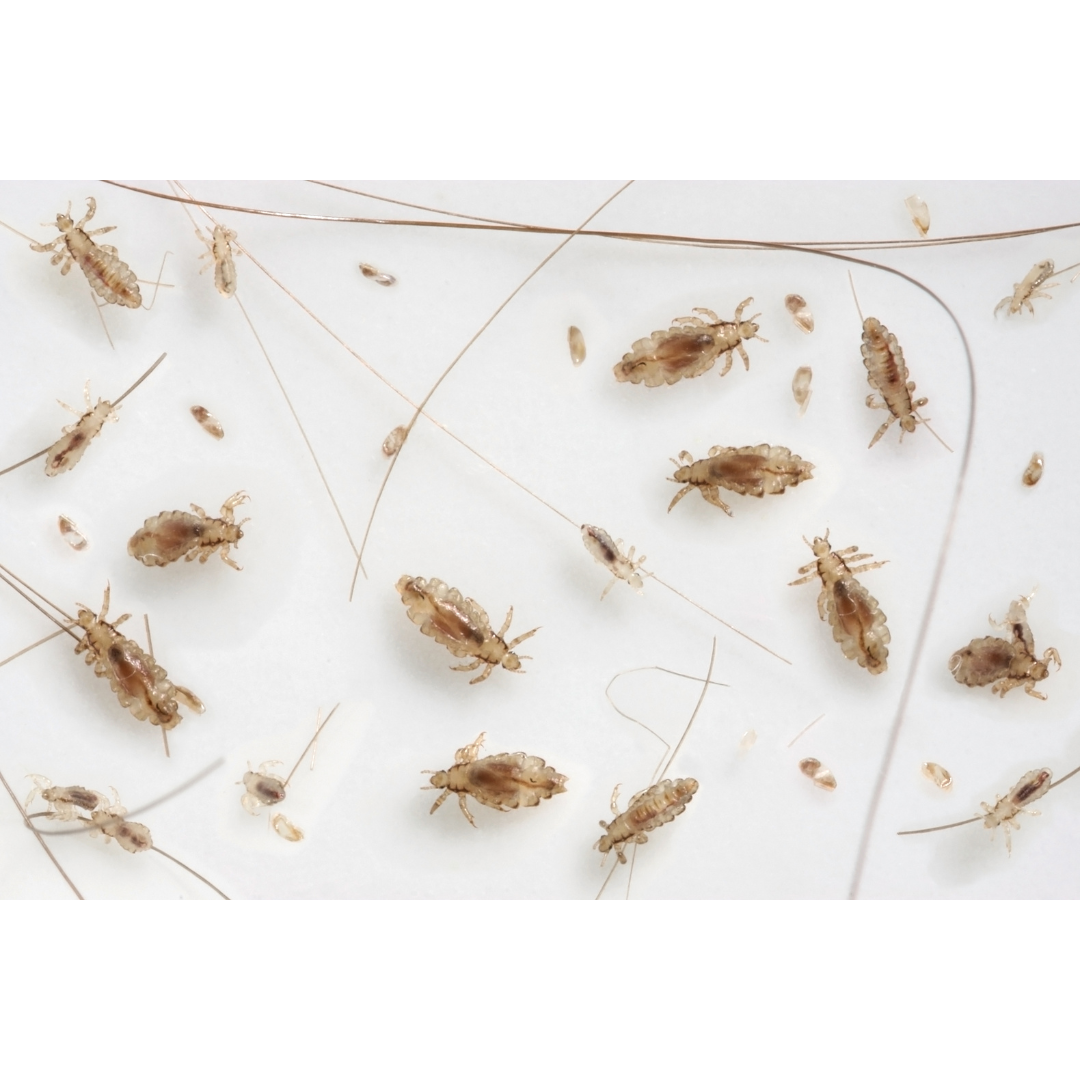
Even if you isolate the first case immediately, the eggs already laid on that scalp are doing their thing. Lice eggs (nits) take 6 to 9 days to hatch after a female lays them. Each adult female lays roughly 6 to 8 eggs per day.
Do the math: one untreated adult louse can produce 50 to 100 viable eggs in a week. If you missed a single egg during DIY treatment, you'll see live bugs again 7 to 10 days later, and the cycle restarts. This is why parents who think they handled it themselves often come to us two weeks later, more frustrated than when they started.
Day 10 to Day 14: The "Second Wave"
This is when things often look like they came back, but really they never left. Nits you missed hatch into nymphs. Nymphs grow for 9 to 12 days, then they're adults, and the females start laying eggs of their own.
If multiple household members were exposed in that Day 1 to 3 window, their own infestations are now mature enough to show symptoms. The kid who was "clean" last Wednesday is suddenly itching today. This is the moment when one case becomes three.
Day 15 to Day 30: Full Household Infestation Without Intervention
By week three or four, an untreated lice problem has typically reached every person in the home who has had regular hair-to-hair contact with the original case. Pets are safe. Stuffed animals are safe. Couches and carpets are safe. The pathway is always head to head.
But the longer it goes untreated, the harder removal becomes, because every infested family member now has hundreds of eggs in various life stages on their scalp. What could have been a single appointment in week one becomes a multi-visit project in week four.
What Makes Lice Spread Faster In Some Homes
Not every household spreads at the same rate. These factors speed it up:
Shared beds. Co-sleeping families, siblings in the same room, or one kid who climbs into the parents' bed at 4 AM. Hours of close head contact every night.
Younger children. Kids ages 3 to 11 have the most physical contact during play. Cuddles, hugs, sitting close on the rug. Lice love it.
Long hair. Long hair makes hair-to-hair contact more likely during everyday activities. It does not make the scalp more attractive to lice, but it does make transmission easier.
Big families. More household members means more chances for hair to touch hair.
No early screening. Families who only check the originally diagnosed kid often miss two or three other early cases that are still presymptomatic.
Apartment living. This one is NYC-specific. Tight quarters, shared bathrooms, kids piled on one couch watching iPads. Manhattan and Brooklyn families see faster spread than suburban families in larger homes. If you're in Manhattan, Brooklyn, or anywhere in the NYC metro, expect transmission to happen quicker than the textbook averages.
What Slows Lice Down (Or Stops Them Entirely)
The flip side. Spread is much slower or doesn't happen at all when:
You catch it early. Same-day screening of the entire household after one case is found is the single biggest factor in stopping further spread.
Hair is tied back. Tight braids, buns, and ponytails physically reduce hair-to-hair contact. This is why hairstylists and dance teachers rarely catch lice from clients.
Treatment is complete and professional. A single thorough treatment that removes both live lice and every nit ends transmission immediately. Half-treatments do not.
Separation during treatment. Keeping the infested person on their own pillow and away from shared bedding for 24 to 48 hours after treatment closes the last small transmission window.
Pets stay normal. Lice do not live on dogs, cats, or any other pets. You don't need to bathe the dog. You don't need to bag up the cat's bed. Pets are not part of the spread equation, full stop.
What About Couches, Beds, and Hairbrushes?
Most NYC parents waste a full weekend deep-cleaning their apartment when they find lice. Stop. The CDC, the American Academy of Pediatrics, and every legitimate lice professional agree on this: lice die within 24 to 48 hours off a human scalp. They cannot live on furniture, carpet, or fabric long enough to reinfest anyone.
What does deserve attention:
Pillowcases and sheets used in the last 2 days, washed hot
Hats, scarves, and headbands worn in the last 2 days
Hairbrushes and combs, soaked in hot water (130°F) for 10 minutes
Items you can't wash, sealed in a bag for 48 hours
That's the entire list. We have an in-depth breakdown of what's actually worth cleaning and what's a waste of time in our blog on de-lousing the house properly. Read it before you fill ten garbage bags with stuffed animals you don't need to throw away.
Why Drugstore Treatments Often Make Household Spread Worse
Here's the part the lice shampoo companies don't advertise. Studies and lice specialists across the country, including in half the United States, confirm that lice have developed strong resistance to the active ingredients in most OTC products (permethrin and pyrethrin).
In practical terms, this means:
You treat the originally infested child
Three days later, you assume they're clear
You stop watching the rest of the family
The OTC shampoo killed some lice, but missed eggs and a few resistant adults
A week later, three family members are symptomatic at once
Failed home treatment is one of the most common reasons we get calls from NYC parents two weeks after the first sighting. The lice didn't come back. They never left, and now they've spread to half the family.

Why NYC Households Spread Lice Faster
There are a few reasons that have nothing to do with how clean your home is or how good a parent you are:
Density. NYC schools are crowded. NYC subways are crowded. NYC playgrounds are crowded. Kids are physically closer to other kids than they would be in most places in America.
After-school programs. Hours of additional close contact during chess club, dance, gymnastics, music lessons.
Apartment layouts. Small bedrooms, shared beds, single bathrooms with shared brushes.
Sleepovers and playdates. Common across Park Slope, the Upper East Side, the Upper West Side, and every other family-heavy neighborhood. One sleepover with an undiagnosed kid can introduce lice to your home before anyone knows.
Camp season. Summer camps and day camps amplify the spread again every July and August.
We see the pattern in every neighborhood we serve. Whether it's the Upper East Side, the Upper West Side, or the Financial District, families who wait more than a few days after the first case almost always end up with multiple cases by the time we arrive.
When To Stop Trying To Handle It Alone
Call a professional immediately if any of these apply:
More than one household member is already symptomatic
The first case has been present for more than a week
You've tried one round of OTC treatment and still see live bugs
You have multiple kids and cannot reliably screen them all yourself
You have long, thick, or curly hair in the household
You don't have a full day to spend combing, twice, with a follow-up in a week
A school clearance letter is required
The math is simple. A single professional in-home treatment usually runs $150 to $350 per person, and Larger Than Lice uses flat-rate pricing (not hourly), backed by a 4-week lice-free guarantee. Three failed rounds of drugstore shampoo, plus the extra family members you didn't catch in time, plus missed work and school days, costs more in money and stress than just doing it right the first time.
The 72-Hour Plan: How To Stop Spread Cold
If you've just found lice on one person and want to prevent the rest of the household from getting it, here is the exact plan.
Within the first hour
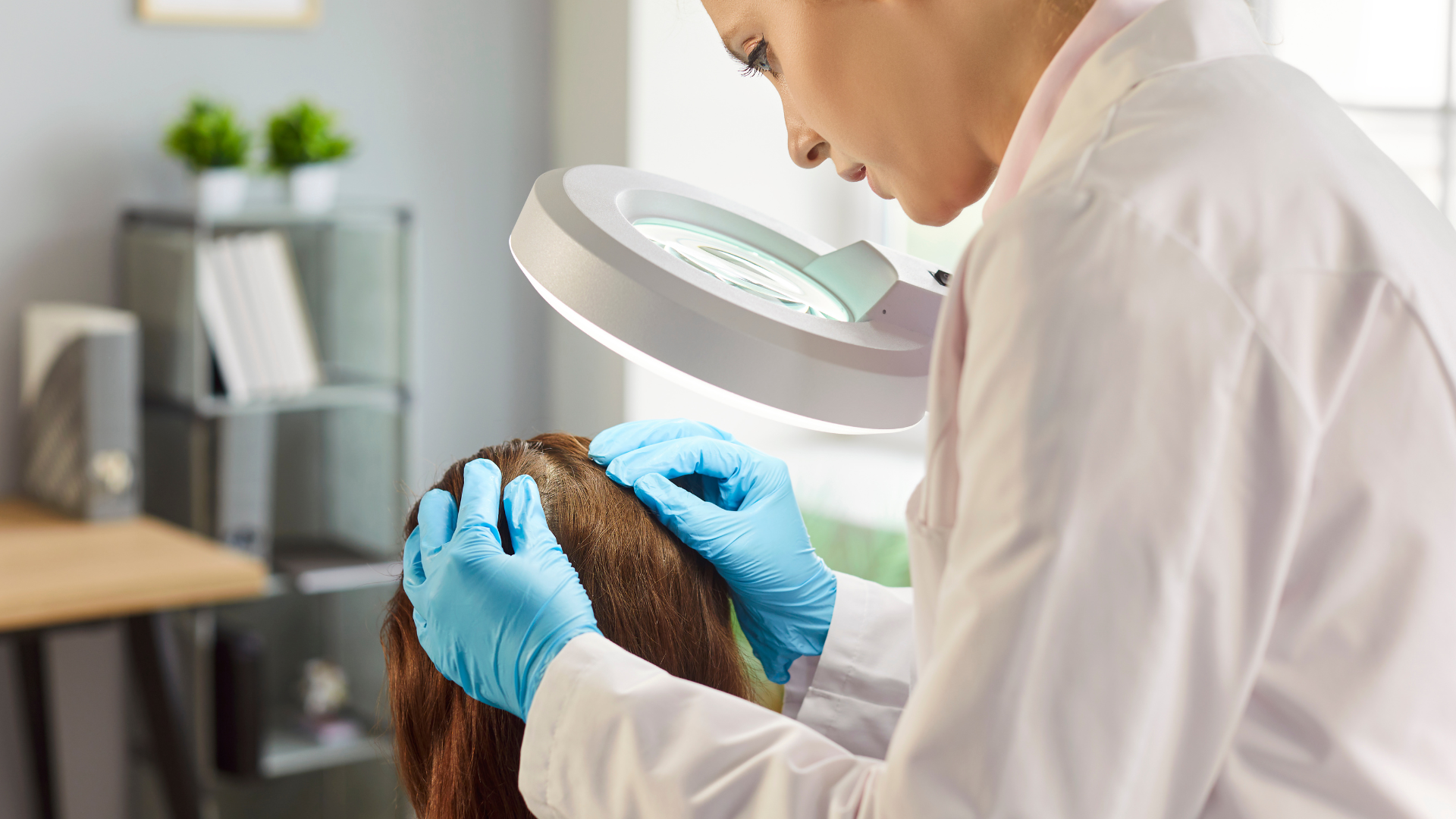
Confirm it's actually lice (live bugs or nits within a quarter-inch of the scalp).
Pull long hair into tight braids on every household member.
Move the infested person to their own pillow and away from shared beds.
Do not run to the drugstore. Skip the OTC shampoo.
Book a professional in-home appointment for that day or the next morning.
Within 24 hours
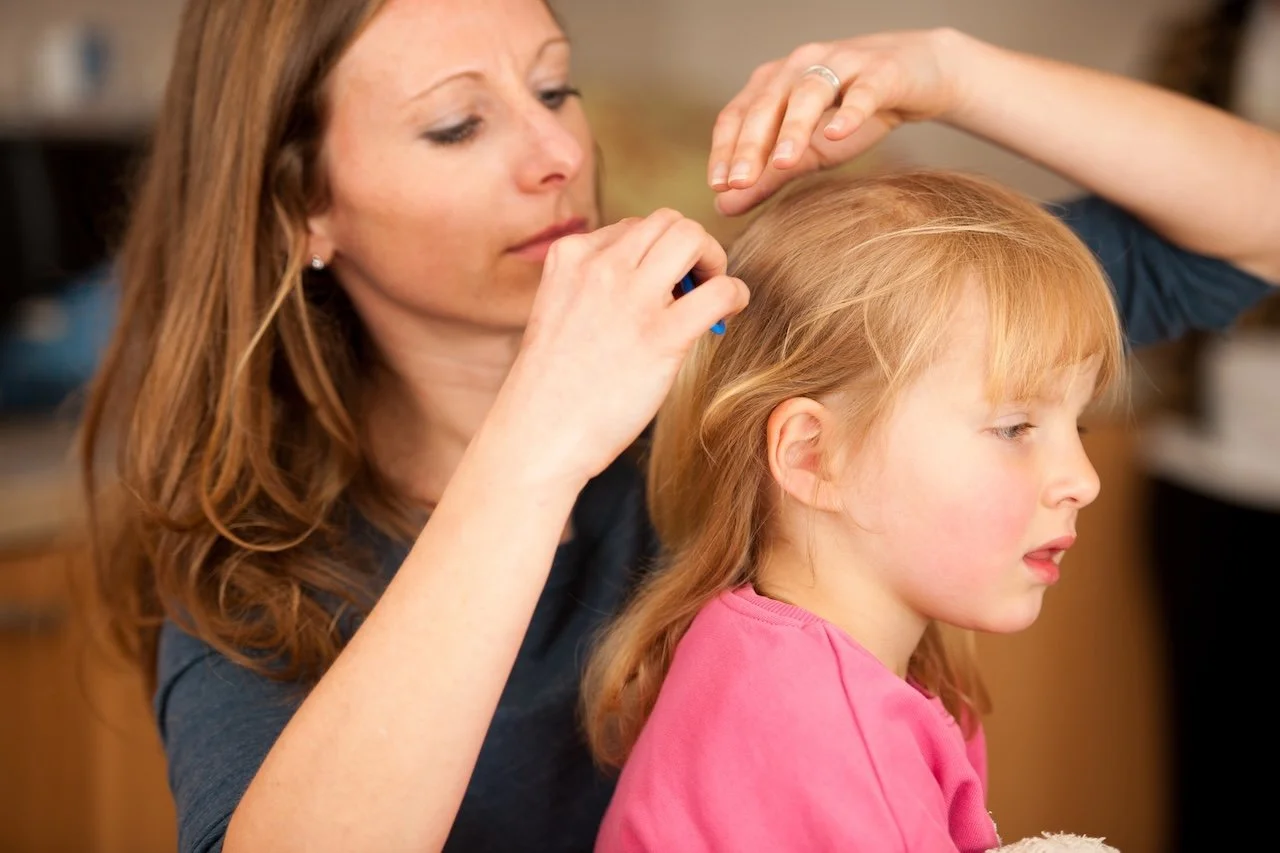
Have every household member screened. Professional screening catches early cases that DIY checks miss.
Wash pillowcases and sheets used in the last 2 days on hot.
Soak hairbrushes and combs in 130°F water for 10 minutes.
Tell the school so other families can check their own kids.
Within 48 to 72 hours
Complete professional treatment on every infested family member in the same window.
Get clearance letters from the specialist for school readmission.
Keep hair tied back at school and after-school activities for the next 2 weeks.
Day 7 and Day 14 follow-up
Re-check every treated person on Day 7 and Day 14, looking for any missed eggs that may have hatched.
If anyone shows new symptoms, treat right away.
That's how you stop a one-person case from becoming a full-household problem. Every step matters, but the single most important one is the first 72 hours after diagnosis. Move quickly, and lice never get a chance to spread.
Frequently Asked Questions
-
Direct head-to-head contact for as little as a minute can transfer lice. Most parents who catch lice from their kids do it during nighttime cuddles, bedtime story reading, or doing the child's hair. If you've been in close contact with an infested child in the last week, get yourself screened.
-
Yes. Hair length doesn't change transmission speed. Lice need hair to grasp, not long hair. Boys and short-haired adults catch and spread lice as easily as kids with long hair, though long hair does increase the surface area for contact.
-
Itching is the most common symptom, but it's caused by an allergic reaction, not the bites themselves. On a first-time infestation, itching can take 4 to 6 weeks to start. On a repeat infestation, itching can start in as little as 1 to 2 days. This is why you can't rely on itching alone to detect spread. Visual screening is the only reliable method.
-
No. Treating only the diagnosed person leaves anyone else who was already exposed untreated. They will continue to harbor and spread lice. The American Academy of Pediatrics and the CDC both recommend screening and treating all household members at the same time when lice are confirmed.
-
A single visit, typically 1 to 2 hours per person, handles a complete case. Larger Than Lice can usually be at your home within 1 to 3 hours of your call across the NYC metro area, day or night. One visit, one flat rate, and you're done. Book online here or call (646) 838-2011.
-
No. Human head lice cannot live on or be transmitted by dogs, cats, hamsters, or any other pets. Spend zero time worrying about the family dog. Spend that time screening the rest of your humans.
The Bottom Line On Household Spread
Lice spread through a household at the speed of head-to-head contact, not the speed of cleaning. The first 72 hours after one case is confirmed is when most transmission happens. Wait a week, and you're often treating three people. Wait two weeks, and you're treating five.
The good news is that the spread is entirely preventable. Screen the household, treat everyone who needs it in a single coordinated window, and tie hair back during the recovery period. That's the playbook every professional uses, and it works whether you have one case or four.
If you're in NYC and you've just found lice in your household, don't let it become a four-week problem. Larger Than Lice provides 24/7 in-home lice removal across Manhattan, Brooklyn, Queens, the Bronx, Staten Island, Long Island, Westchester, New Jersey, and Connecticut. Same-day appointments. Flat-rate pricing. School clearance letters included.
The faster you act, the less spread you'll have to deal with.

Hi, I'm Eliana
Founder of Larger Than Lice
For 12+ years, I've helped over 35,797 NYC families get through the exact moment you're in right now. Take a breath. We've got you.
Trusted by 35,797+ NYC Families
Rated 5 stars on Google, Yelp & BBB
Found Lice Right Now?
Don't wait until morning.
Call (631) 810-3938
Anytime. Anywhere. Larger Than Lice.®