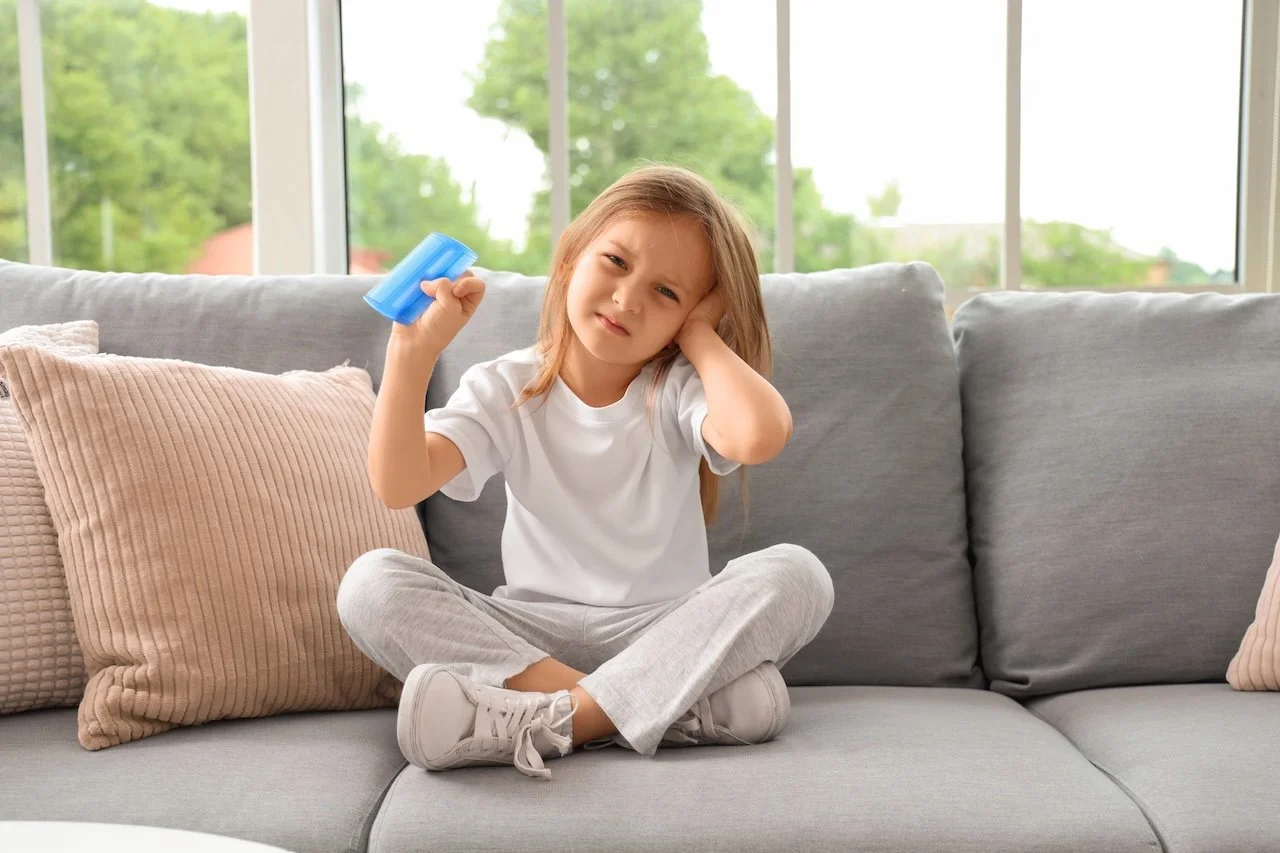
Do Natural Lice Treatments Work? What the Research Actually Shows
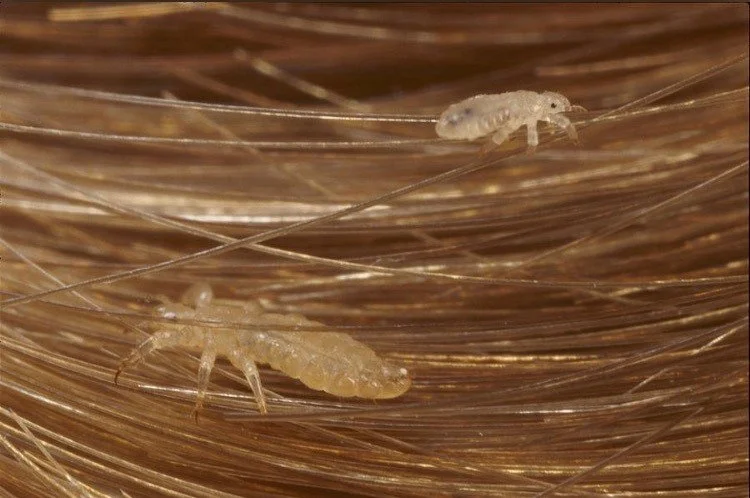
Walk into any natural foods store and you'll find a wall of natural lice products: tea tree oil sprays, coconut oil treatments, neem oil, peppermint sprays, enzymatic dissolvers, and essential oil blends marketed as "lice repellents." Search "natural lice treatment" and you'll find thousands of blogs, parenting forums, and product pages claiming results.
The honest question most parents have: do any of these actually work?
The answer is more nuanced than either side usually admits. Some natural treatments have peer-reviewed evidence supporting partial effectiveness. Others have no evidence — just folklore. Several useful natural approaches are misunderstood in how they actually work. And almost all of them depend on one factor that determines DIY success or failure: meticulous combing.
This guide walks through every major natural lice treatment with an honest evaluation — what the research shows, what experts at major medical institutions say, when natural approaches make sense, and when they're a waste of time. No sales pitch. No false promises. Just the evidence.
Need a fast, effective, pesticide-free treatment? Larger Than Lice provides discreet, 24/7 in-home lice removal across NYC using non-toxic, professional-grade methods combined with meticulous manual removal — backed by our 4-week Lice-Free Guarantee. Call (646) 762-5422 or book online.
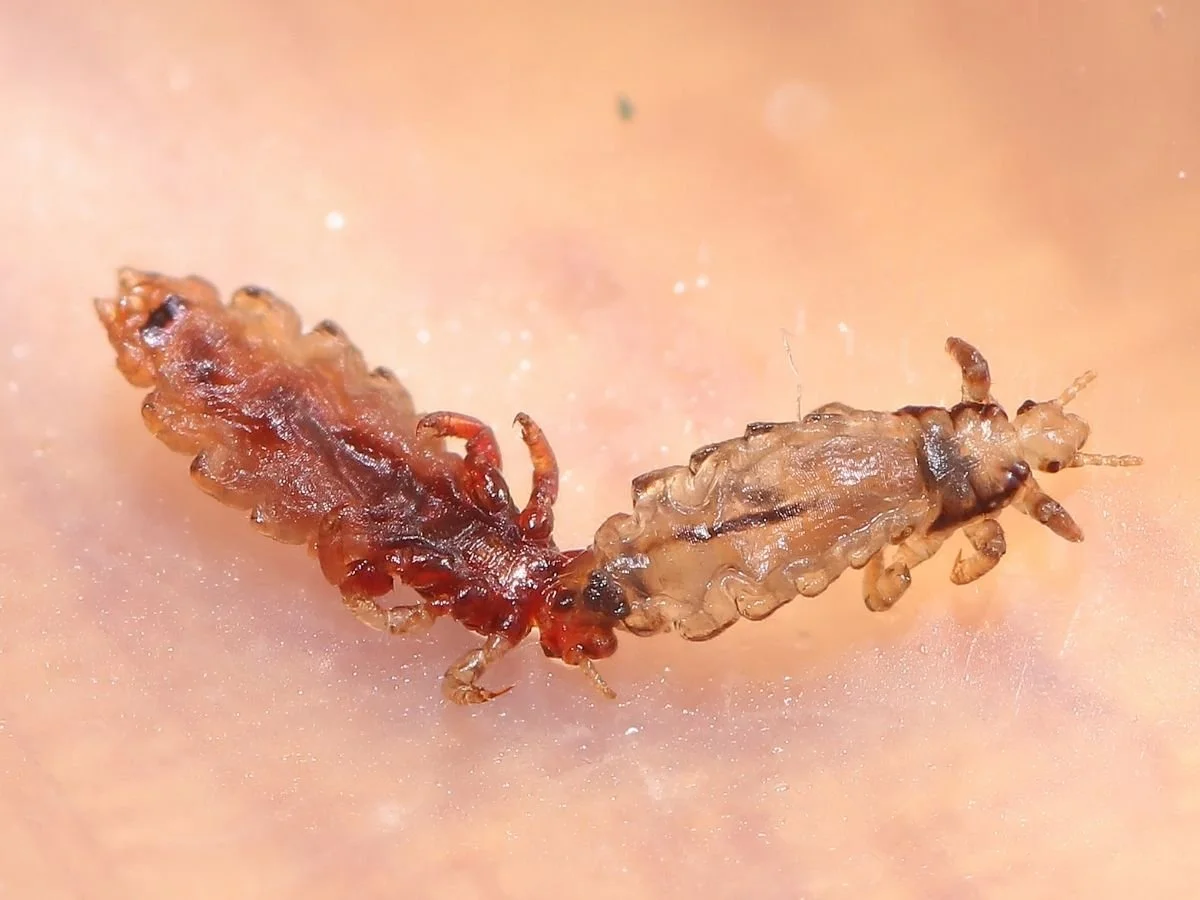
The Short Answer
Tea tree oil: Limited evidence; may help when combined with combing. Not a standalone solution.
Coconut oil: Smothers adult lice slowly; no effect on eggs. Requires extended application time and meticulous combing.
Mayonnaise: Folk remedy with no clinical evidence beyond combing alone. Mostly messy, minimal benefit.
Olive oil: Similar to coconut oil. May slow lice for easier combing, but does not eliminate eggs.
Vinegar: Weak evidence for loosening nit glue. Clinical evidence is weak. May cause scalp irritation.
Dimethicone: Silicone-based smothering agent with the strongest research support, 70–95% effectiveness. Still requires combing.
Heated air at home: Hair dryers can sometimes kill some lice and eggs, but are unreliable and can spread lice if used improperly. Mayo Clinic explicitly warns against this.
Wet combing alone: When done correctly with conditioner and a fine-toothed metal comb, this is actually one of the most evidence-supported approaches. The combing, not the product, is doing the work.
Bottom line: Natural products can play a supporting role, but every legitimate medical authority — the CDC, AAP, Johns Hopkins, and Mayo Clinic — agrees that meticulous combing is what actually removes lice. Most "natural" success stories are really combing success stories, with a natural product layered on for safety and easier removal.
Why Natural Treatments Are So Popular
Before evaluating each one, it's worth understanding why "natural" appeals to parents in the first place.
Chemical Avoidance Is Reasonable
OTC lice shampoos like Nix and RID contain pesticides such as permethrin and pyrethrins. Some parents are understandably cautious about applying pesticides to a child's scalp repeatedly — a concern that's even more valid for younger children, pregnant women, and family members with chemical sensitivities.
OTC Products Don't Work As Well As They Used To
As we covered in drugstore lice treatments vs professional removal, lice resistance to permethrin and pyrethrins is now widespread across the U.S., with the Northeast — including the greater NYC area — showing some of the highest resistance rates. Many families try OTC products, watch them fail, and start searching for alternatives.
Cultural and Generational Knowledge Runs Deep
Mayonnaise, olive oil, and vinegar treatments are home remedies passed down through generations of mothers, grandmothers, and parenting communities. The intuitive logic — "smother them" — is appealing even when the actual mechanism doesn't quite work as described.
Natural Product Marketing Often Overstates Results
Tea tree oil sprays, neem-based shampoos, enzyme dissolvers, and essential oil blends are heavily marketed online and in natural foods stores, and the claims frequently outpace the evidence.
Together, these factors create real demand for an honest answer. So let's evaluate each treatment one at a time.
Tea Tree Oil: What the Research Actually Shows
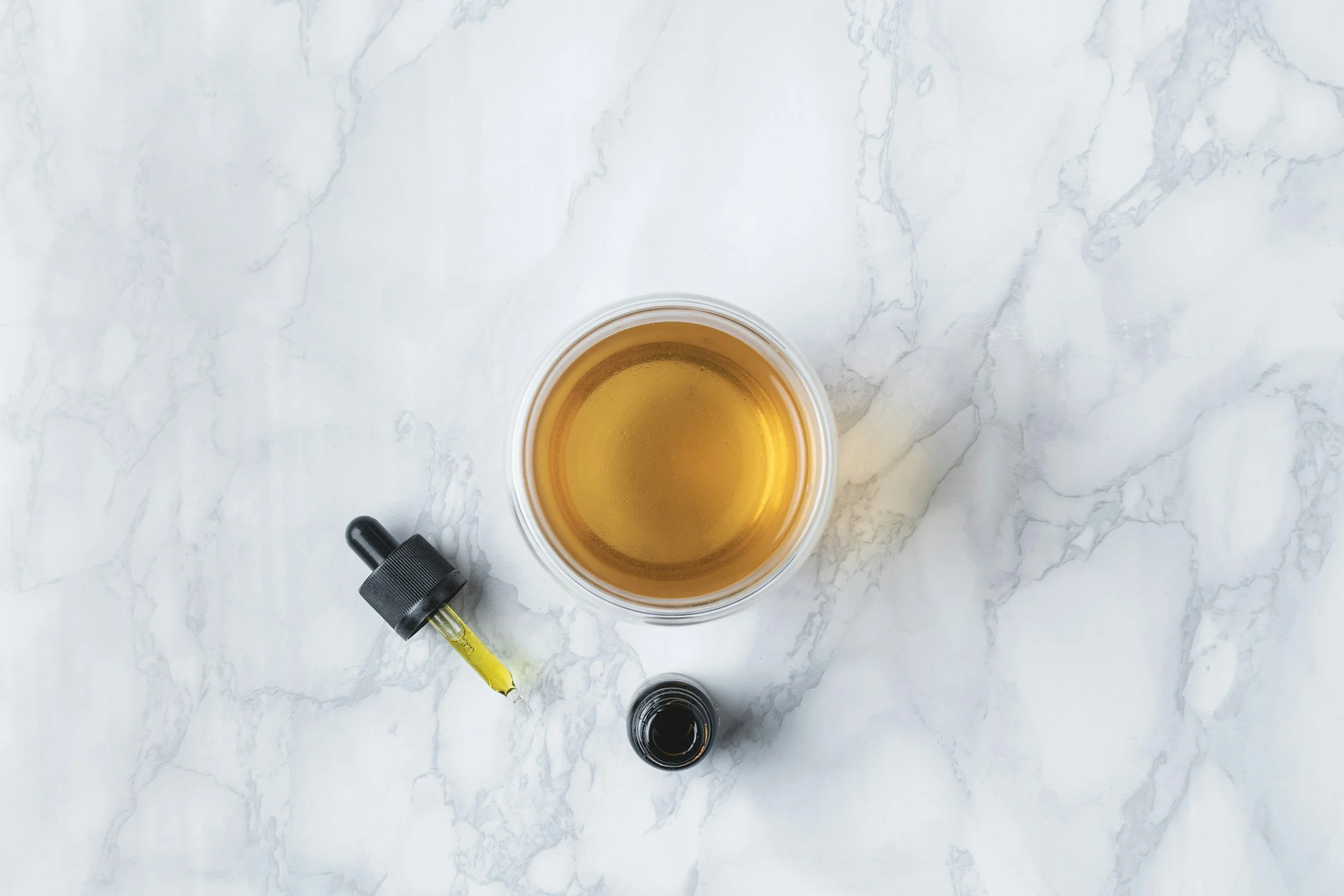
Tea tree oil (melaleuca oil) is the most-studied natural lice treatment. Here's the honest assessment.
The Evidence
A 2010 randomized controlled trial published in BMC Dermatology compared melaleuca and lavender oil to pyrethrin-based products. The natural treatment showed some effectiveness, though the study had a small sample size and limitations. Subsequent in vitro studies have shown tea tree oil can kill some lice under lab conditions at certain concentrations — the challenge is safely replicating those concentrations on a child's scalp.
Expert Opinion
Most major medical institutions — Johns Hopkins, Mayo Clinic, and the CDC — classify tea tree oil as "unproven" rather than "ineffective." That distinction matters: there's some evidence of activity, but not enough to recommend it as a standalone treatment.
Dr. Castilla, quoted in a recent NBC News piece on lice treatments, said natural products are "better adjunctive methods, not the sole method for removal."
What This Means in Practice
Tea tree oil might:
Slow down or stun lice, making them easier to comb out
Provide a short-term repellent effect
Work as part of a layered approach combined with combing
Tea tree oil probably won't:
Kill all live lice on its own
Kill eggs (nits)
Eliminate a confirmed infestation without combing
Safety Note
Tea tree oil can cause skin irritation, allergic reactions, and in rare cases hormonal effects — particularly in young boys, per several case reports. Never apply it undiluted, and always patch-test before full application.
Coconut Oil: Smothering Theory in Practice
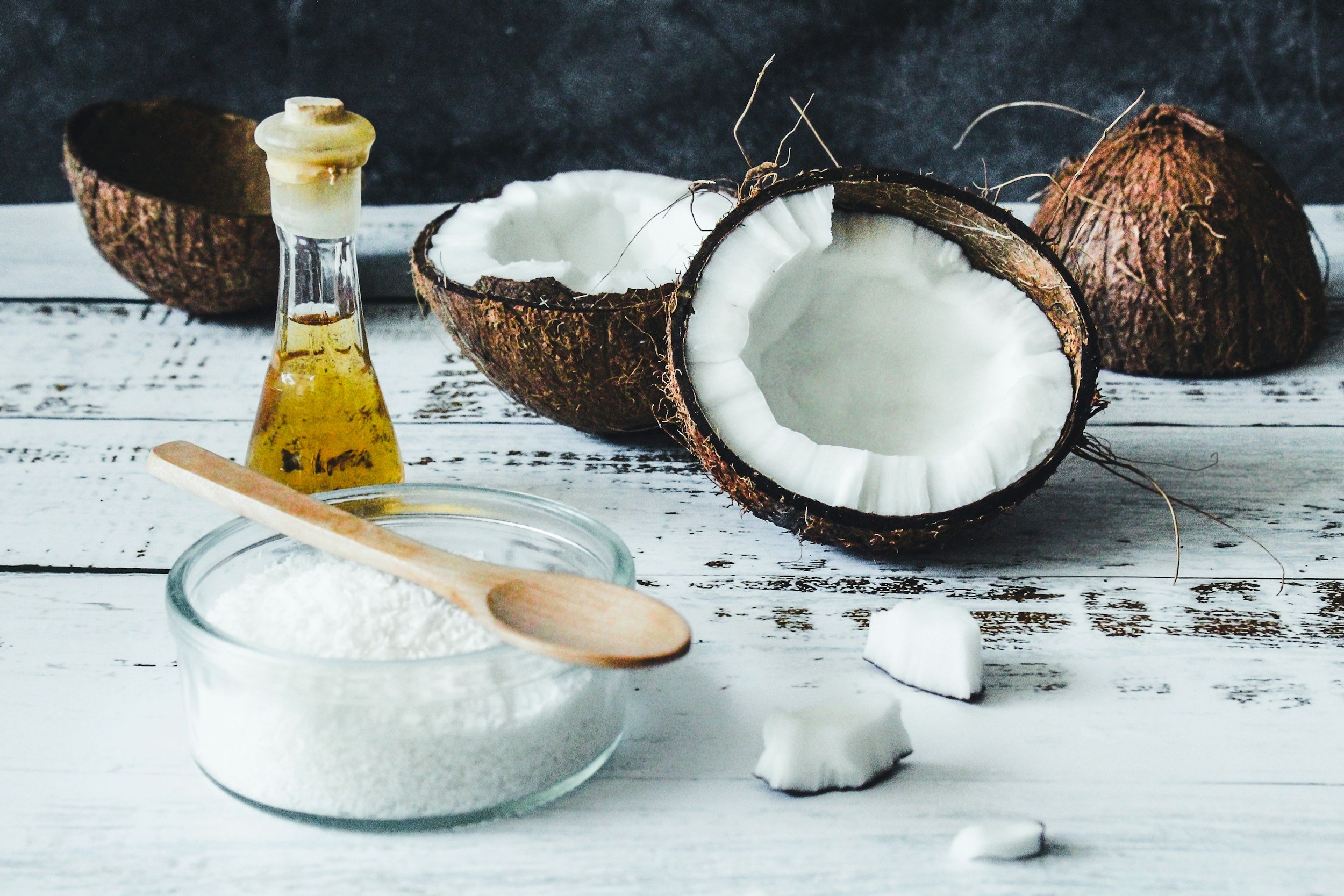
Coconut oil is one of the most popular natural treatments. The theory is suffocation.
The Evidence
A 2010 study in the European Journal of Pediatrics compared a coconut-and-anise oil spray with permethrin lotion. The coconut/anise spray showed higher cure rates in some measurements, though the study was limited.
The bigger problem: in everyday home use, coconut oil's smothering effect requires an 8- to 12-hour dwell time to approach real effectiveness — and it does nothing to kill nits.
Expert Opinion
As Healthline notes, many experts believe that when "smothering" treatments appear to work, it's the combing doing the real work, not suffocation. The oil simply slows lice down and makes them easier to catch on the comb.
What This Means in Practice
Coconut oil might:
Slow lice down for easier removal during combing
Make hair easier to section and detangle
Provide a non-toxic, family-safe option for parents avoiding chemicals
Coconut oil probably won't:
Kill all lice through suffocation alone
Kill nits
Eliminate a case without intensive combing
Safety Note
Coconut oil is one of the safer options — allergic reactions are rare, and it's safe for kids, pregnant women, and chemically sensitive family members. The downside is mess and time investment.
Mayonnaise: The Classic Folk Remedy
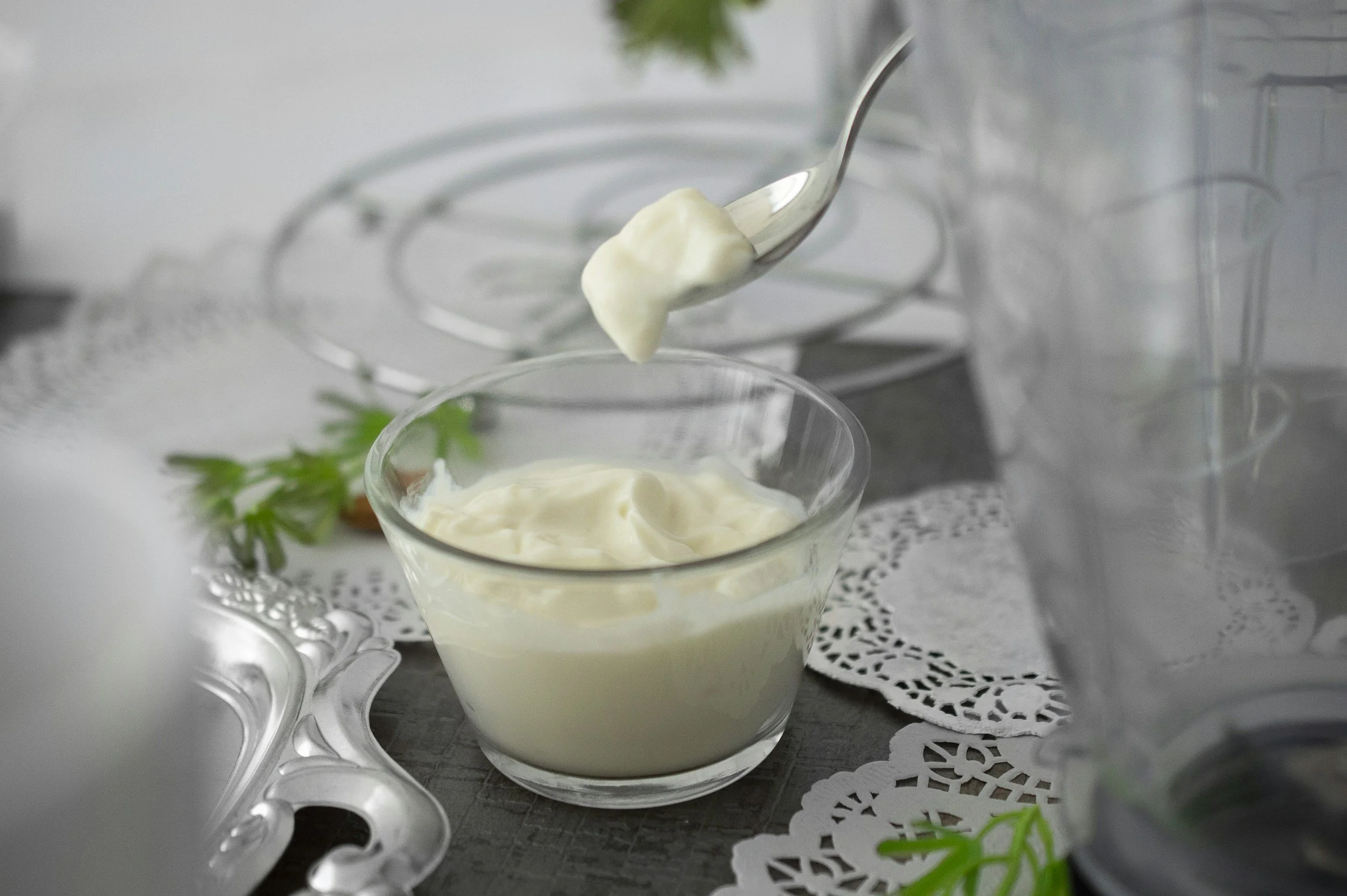
Mayonnaise as a lice treatment is probably the most well-known home remedy — and among the least supported by evidence.
The Evidence
There are no peer-reviewed studies showing mayonnaise eliminates lice better than thorough combing alone. The classic approach — apply, cover overnight, comb in the morning — has been studied informally and consistently shows that combing does the work.
Expert Opinion
Johns Hopkins, Mayo Clinic, and the CDC all classify mayonnaise as an "unproven home remedy." Most lice professionals agree it doesn't work as a treatment, though the long sit time can make morning combing slightly easier since lice are sluggish and hair is well-conditioned.
What This Means in Practice
Mayonnaise might:
Make hair easier to comb the next morning
Provide a culturally familiar approach that feels actionable
Serve as an extreme conditioner before a professional appointment
Mayonnaise probably won't:
Kill lice through smothering — they can survive without air for hours
Kill nits
Eliminate a case without intensive combing
Practical Downsides
Major mess on bedding and hair, an 8–12 hour application window, strong smell, hygiene concerns from leaving a food product on the scalp that long, and no real evidence of effectiveness. Most lice professionals consider this approach a waste of time.
Most lice professionals consider mayonnaise treatment a waste of time and recommend against it.
Olive Oil: Similar Story to Coconut

Olive oil is sometimes used as a smothering agent or as a carrier for essential oils.
The Evidence
Limited, with a mechanism similar to coconut oil — some smothering effect on adult lice with extended application, no effect on nits.
Expert Opinion
Considered low-risk and non-toxic, but not endorsed as a standalone treatment by any major medical authority.
What This Means
Olive oil might slow lice for easier combing or serve as a safe carrier for other oils. It probably won't kill lice or nits, or eliminate a case without combing — the same evaluation that applies to coconut oil applies here.
Vinegar: The Nit Glue Theory
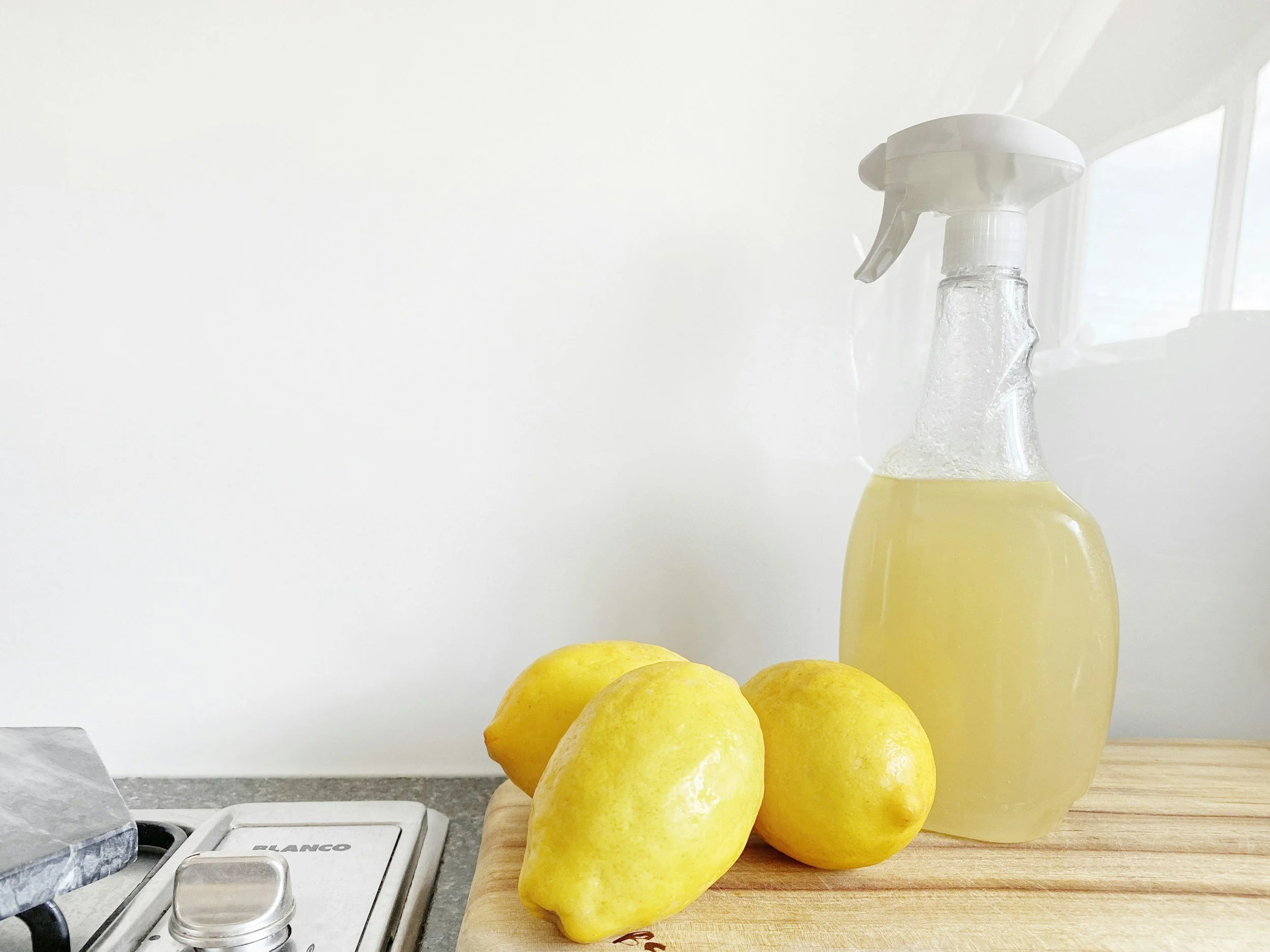
Vinegar is usually combined with other approaches. The theory: acetic acid dissolves the protein-based "glue" that holds nits to hair strands.
The Evidence
In-vitro studies show some softening of nit glue upon exposure to vinegar, but the effect is modest and requires significant time. Clinical evidence in real lice cases is weak.
Expert Opinion
Most lice professionals don't consider vinegar effective for elimination. It may help slightly with nit removal as part of a layered treatment, but it doesn't kill lice or reliably loosen all nit glue.
What This Means
Vinegar might:
Soften some nit glue, making manual removal slightly easier
Adjust scalp pH temporarily
Vinegar probably won't:
Kill lice
Kill nits
Reliably loosen all the nit glue
Eliminate a case without combing
Safety Note
Vinegar can irritate the scalp, especially where the skin is broken from scratching. Always dilute before application and avoid on irritated skin.
Dimethicone: The Strongest "Natural-Feeling" Option
Dimethicone is a silicone-based compound found in many hair care products. As a lice treatment, it's marketed as natural-feeling — non-pesticide — while carrying stronger research support than any essential oil.
The Evidence
Dimethicone has the best research support in the "smothering" category. Several clinical trials show 70–95% effectiveness rates against live lice when used correctly. It works by coating lice and disrupting their respiration and water regulation.
The advantage over OTC chemicals: lice cannot readily develop resistance to dimethicone because it acts through a physical mechanism rather than a biological one.
Expert Opinion
The CDC and major dermatology organizations recognize dimethicone-based products as legitimate alternatives to traditional OTC pesticide treatments. Several FDA-approved products use dimethicone as the active ingredient.
What This Means In Practice
Dimethicone might:
Kill a high percentage of live lice
Avoid the resistance problem of pyrethrin-based products
Work for chemically-sensitive families
Dimethicone probably won't:
Reliably kill all eggs
Eliminate a case without follow-up combing and a second application
Practical Note
Dimethicone-based products (Lice MD, Resultz, Vamousse) are widely available. They outperform essential oil approaches but still require combing and a follow-up treatment to fully clear a case — and they cost more than basic OTC pesticides, though less than professional services.
Wet Combing: The Most Evidence-Supported Natural Approach
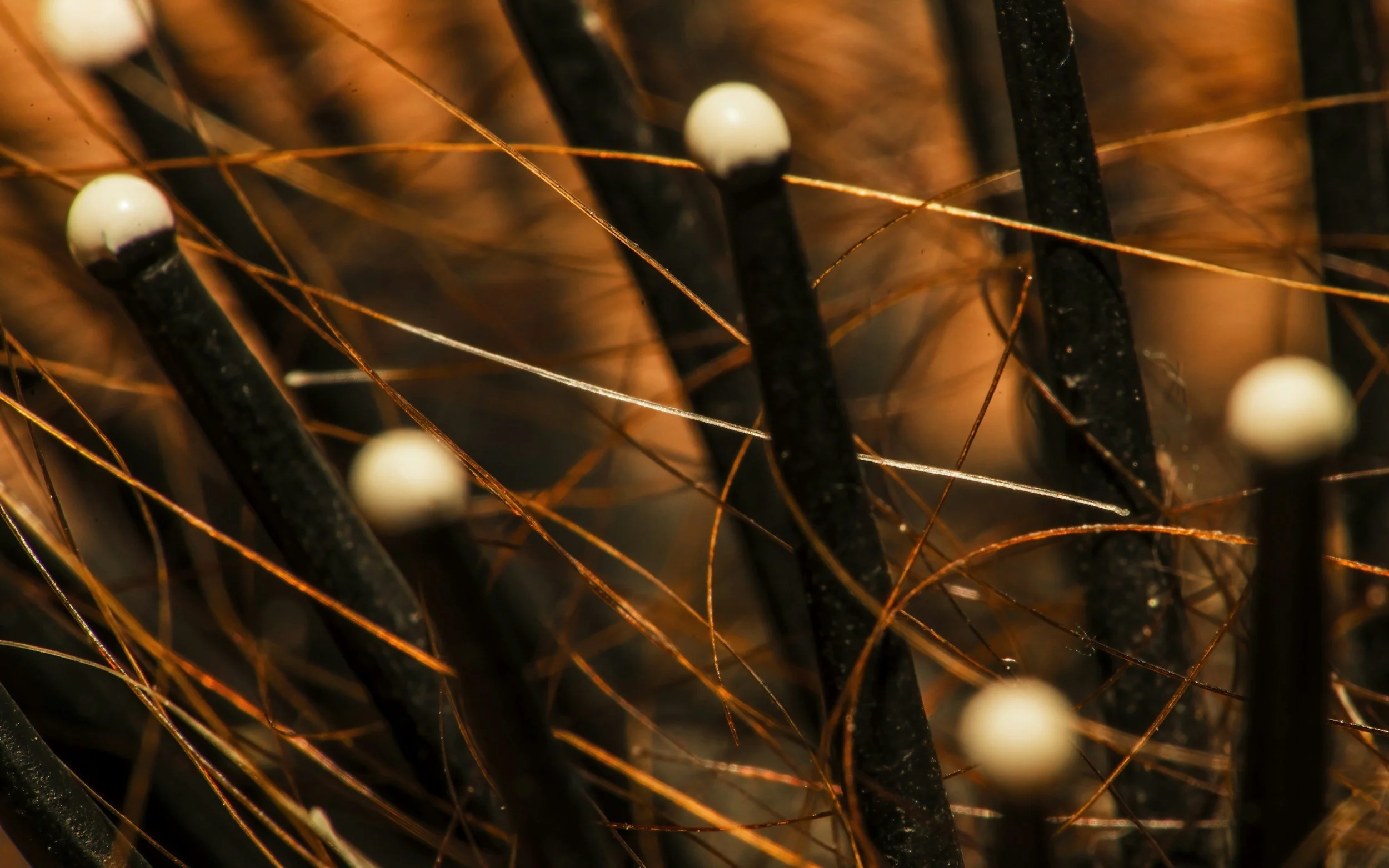
This is where the conversation gets interesting. The single most evidence-supported "natural" approach to lice removal isn't a product at all — it's wet combing with conditioner.
The Evidence
Studies since 2005 show that wet combing with conditioner, done thoroughly and consistently over 14–21 days, achieves cure rates comparable to or better than many OTC products.
The technique:
Saturate hair with conditioner (any kind)
Detangle, then section the hair into small parts
Comb each section from scalp to tip with a fine-toothed metal lice comb
Wipe the comb onto a paper towel after each pass
Inspect under bright light
Repeat every 3–4 days for at least 2–3 weeks
Expert Opinion
Every major medical authority — the CDC, AAP, Mayo Clinic, and Johns Hopkins — agrees that meticulous wet combing is effective when done correctly. The challenge is that "done correctly” requires more time and patience than most parents have to spare.
What This Means In Practice
Wet combing with conditioner might:
Eliminate a case completely with no chemicals
Catch every life stage of lice and nits if done thoroughly
Provide the safest possible approach for chemically-sensitive families
Wet combing probably won't:
Be feasible for parents with limited time
Work is rushed or done casually
Catch nits in difficult areas (behind ears, nape of neck) without proper technique and lighting
Why This Matters
This is the natural treatment most worth doing. With enough time, a professional metal lice comb, bright lighting, and a cooperative kid, wet combing with conditioner can work as well as any chemical treatment — without the chemicals.
The catch: this is exactly what professional services do, with better equipment, better lighting, and trained eyes. We covered the differences in the techniques used in how professional lice removal actually works.
The combination is what works: a natural product plus a thorough comb-out. That's what our in-home lice removal in New Jersey and across New York delivers in a single visit.
Hair Dryers and Heat: Specifically Warned Against
Some parents try a hair dryer or curling iron as a heat treatment. This deserves a direct warning.
Mayo Clinic's Position
Don't use a hair dryer to try to get rid of lice — it can send lice airborne, spreading them to someone else nearby.
What's Different About Professional Heat Devices
FDA-cleared professional heated-air devices (such as AirAllé) differ from consumer hair dryers. They deliver controlled heat specifically calibrated to dehydrate lice and eggs without harming the scalp. Consumer hair dryers reach unpredictable, much higher temperatures and can disperse lice into the air rather than killing them.
What This Means
Do not use a hair dryer, curling iron, hair straightener, or any consumer heat device as a lice treatment. The risk of burns, the risk of spreading lice to others nearby, and the lack of any reliable killing effect all argue against it. This is one of the few areas where major medical authorities are unanimous.
What About "Suffocation" Treatments Generally?
Many natural approaches rely on the suffocation theory: coat the hair with a thick substance, suffocate the lice, comb out the bodies
Here's what the research actually shows.
Lice Can Hold Their Breath for Hours
Adult lice can close their respiratory openings (spiracles) and survive without air for 6–12 hours or more. Smothering treatments designed to "kill quickly" mostly don't.
Smothering Works Through Slowdown, Not Suffocation
When these treatments seem to work, the real mechanism is that lice become sluggish and easier to comb out — combined with hours of careful combing, this can clear a case. The "suffocation" branding is misleading.
Eggs Are Effectively Immune to Smothering
Lice eggs have minimal respiratory needs and a hard protective shell. Smothering treatments do almost nothing to kill nits — and any approach that doesn't address nits will fail when those eggs hatch 6–9 days later.
When Natural Treatments Make Sense
Despite their limitations, natural approaches have legitimate roles in certain situations:
As Part of a Professional Treatment
Many professional services, including Larger Than Lice, use pesticide-free, plant- or enzyme-based products combined with manual removal, delivering the benefit of "natural" with the rigor of professional combing.
Our own Ellouse natural lice treatment range was built around the ingredients above, and it's the same product our technicians carry into every home.
For Chemically-Sensitive Family Members
Pregnant women, infants under 2 months, people with eczema or other scalp conditions, and those with chemical sensitivities have legitimate reasons to avoid OTC pesticide products.
For Very Mild, Early-Detection Cases
A case caught in week one with only a few nits and no live lice spotted can sometimes be cleared with diligent wet combing alone, though this is rare.
For Maintenance After Treatment
Tea tree or peppermint oil sprays may offer a mild repellent effect during active school outbreaks, as one layer among several.
For Family Peace of Mind
Some parents simply prefer non-pesticide approaches as a value-based choice, as long as expectations stay realistic about the slower timeline.
When Natural Treatments Don't Make Sense
Equally important is knowing when to skip them:
For Established or Heavy Infestations
If a case has been present for more than a week with multiple live lice and many nits, natural-only approaches usually fail. The burden of combing is too great for most parents to manage thoroughly.
When Multiple Family Members Are Affected
Treating 3–4 family members with daily DIY combing for 2–3 weeks is rarely sustainable for working parents.
When Time Is the Constraint
Wet combing, done right, takes 1–3 hours per session and is repeated 4–6 times over several weeks. Most working parents simply don't have this time. We covered the math in drugstore lice treatments vs professional removal.
When School Re-Entry Is Time-Sensitive
If your child needs to be back at school tomorrow, natural-only approaches usually can't deliver fast enough. Professional treatment with a clearance letter is the only reliable same-day option.
When OTC and Natural Have Both Failed
If you've tried Nix, RID, tea tree oil, and weeks of combing, and lice are still present, it's time to escalate to a professional rather than keep extending the problem.
Frequently Asked Questions
-
Meticulous wet combing with conditioner over 14 to 21 days has the strongest evidence base among purely natural approaches. Dimethicone-based products have the strongest research support among natural-feeling commercial products. Combined approaches (a smothering oil plus combing) generally outperform either alone.
-
No. There is no reliable evidence that tea tree oil alone eliminates lice infestations. It may help as part of a combined approach with combing, but it should not be used as a standalone treatment.
-
Safe in the sense that it won't harm the scalp. Effective is another question. There is no clinical evidence that mayonnaise outperforms thorough combing alone. The mess and time required usually aren't worth it.
-
Some are more evidence-supported than others. Dimethicone-based products (Lice MD, Vamousse, Resultz) have meaningful research backing. Essential oil sprays generally do not. Read labels critically and don't rely on marketing claims.
-
If you have a very mild, very recent case and significant time to dedicate to combing, natural approaches are reasonable to try. For established infestations, multiple affected family members, time pressure, or chemically-sensitive family members, professional in-home treatment is usually the better first choice.
-
Many are. Larger Than Lice uses pesticide-free, plant-based or enzyme-based products combined with manual removal. You don't have to choose between "natural" and "professional"; both can be true at once.
-
Some essential oil sprays (peppermint, tea tree, rosemary) may have mild repellent effects, but evidence is limited. They're reasonable as a layered measure during active outbreaks, but not a reliable prevention strategy.
-
Dimethicone is a synthetic silicone polymer, not a natural plant extract. But it's pesticide-free and works through physical (not biological) mechanisms, so it's often grouped with natural treatments. It's a useful middle-ground option.
-
Larger Than Lice uses plant-based, enzyme-based solutions safe for infants, pregnant women, and chemically-sensitive family members. Combined with professional manual removal, this delivers the safety of natural with the effectiveness of professional.
The Bottom Line
Natural lice treatments aren't a myth, but they aren't a magic bullet either. The science is consistent: combing — not the product — is what actually removes lice and nits.
Pure essential oils (tea tree, peppermint, etc.): Limited evidence, not standalone solutions
Smothering agents (coconut, olive, mayo): Help only by slowing lice for easier combing
Vinegar: Folklore with minimal evidence
Dimethicone: Useful, well-researched non-pesticide option
Wet combing with conditioner: The most effective natural approach, when done thoroughly
Hair dryers: Don't use them
The common thread across every effective natural approach: combing is what actually removes lice. The products vary in how much they help that process. The natural option that consistently works is meticulous wet combing, which requires more time than most parents have.
If you want the "natural" peace of mind without the time investment, professional in-home treatment with non-toxic products is often the right answer. You get the safety profile of natural treatments and the efficiency of trained specialists with professional tools.
If you've tried the natural route and you're still finding lice, or you simply don't have hours to spend combing, Larger Than Lice offers discreet, professional, pesticide-free lice removal across New York, New Jersey, or Connecticut. — combining safe, natural-based products with the meticulous manual removal technique that every medical authority agrees actually works. Backed by our 4-Week Lice-Free Guarantee and 12+ years of experience, we get it done in one visit.
A specialist can be at your home this evening, using non-toxic products and professional manual removal to finish the case in 1 to 2 hours.

Hi, I'm Eliana Ortega
Founder of Larger Than Lice
For over 12 years, I've helped 35,797+ families across New York, New Jersey, and Connecticut get through the moment you're in now.
Breathe. You are not alone—we're here to help.
Trusted by 35,797+ NYC Families
Rated 5 stars on Google, Yelp, & BBB
Found Lice Right Now?
Don't wait, call now.
Call (631) 810-3938
Anytime. Anywhere. Larger Than Lice.®