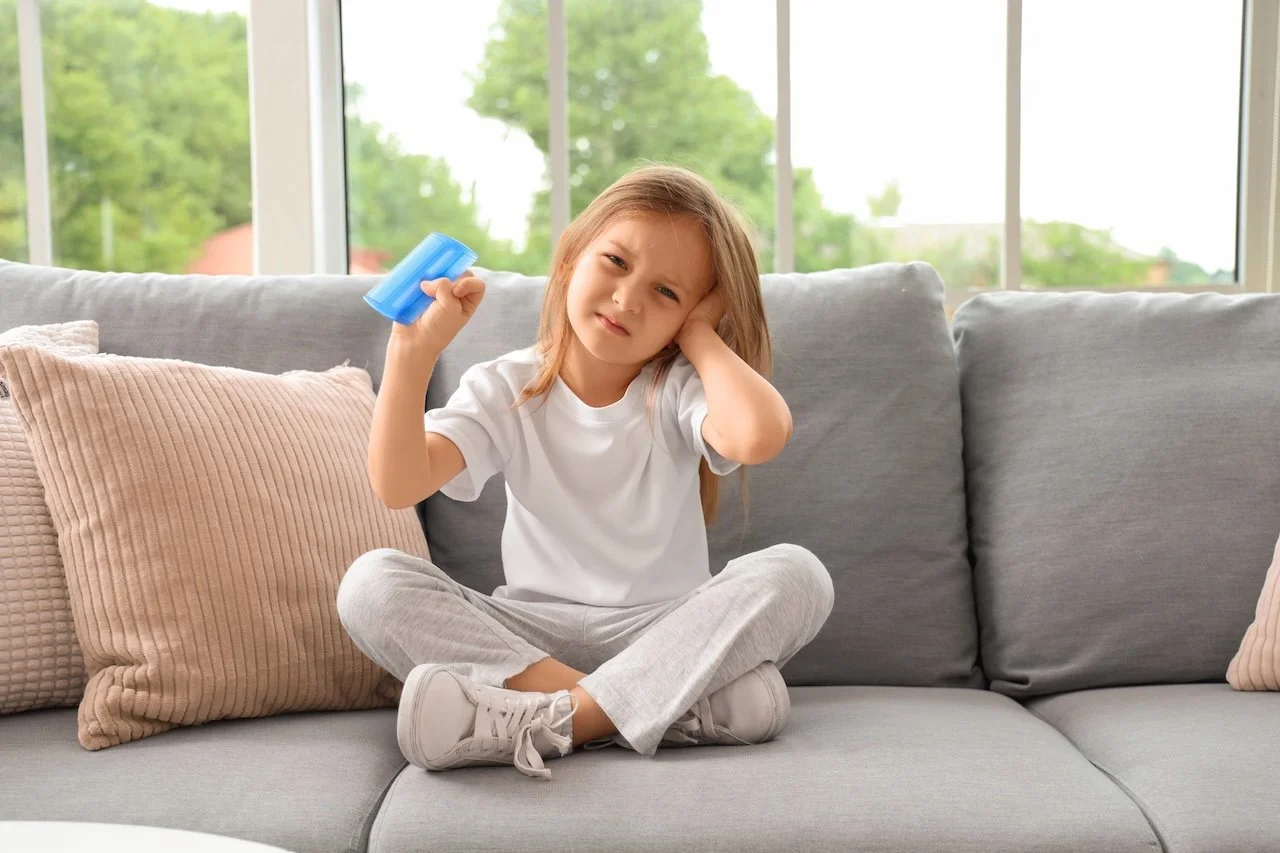
How Lice Spread in Classrooms (And How Parents Can Stop It Early)
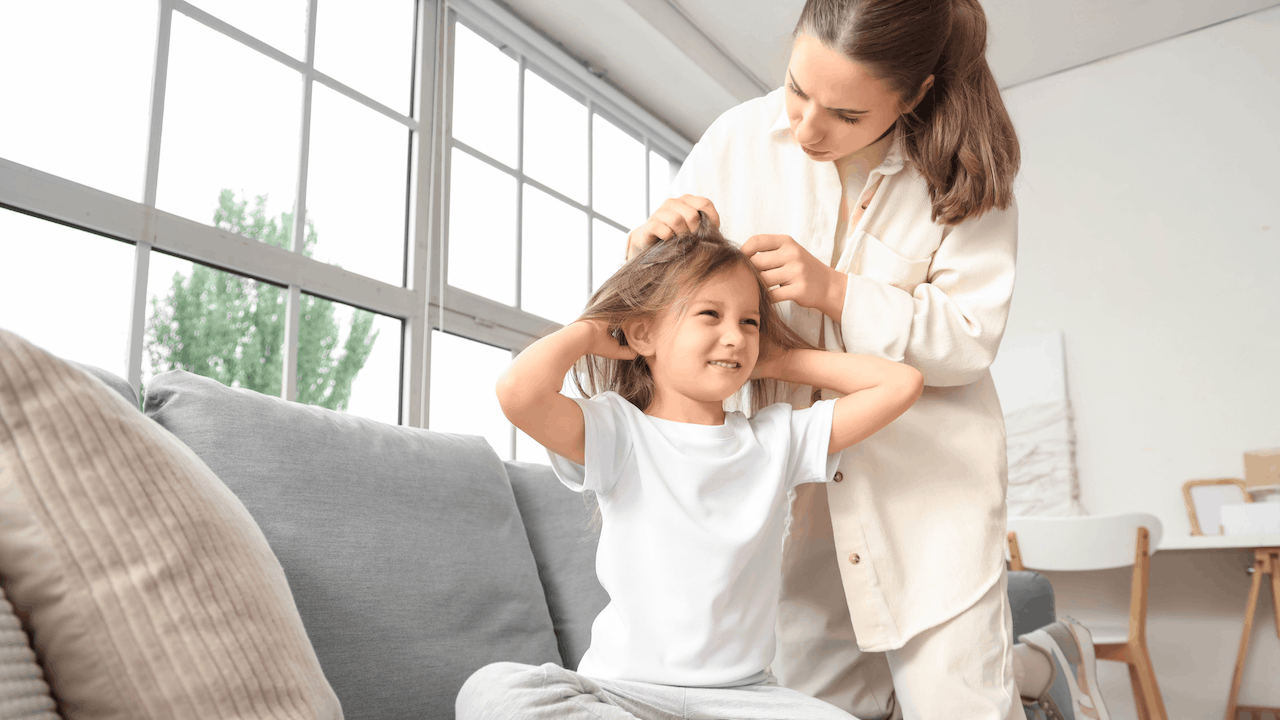
When a classroom outbreak happens, most parents picture the same thing: a few kids itching their heads while a wave of lice somehow drifts through the room. That's not how it works. Classroom transmission is actually surprisingly precise. It happens in specific moments, in specific places, during specific activities, mostly invisible to teachers and almost always missed by parents.
Once you understand exactly when and where lice spread during a school day, two things become clear: why your child's class keeps having "mystery" outbreaks, and what you can do at home (and at school) to interrupt the chain before it reaches your family.
This guide walks through the hour-by-hour transmission map of a typical NYC classroom day, the specific spread moments most parents miss, and the early-action playbook that actually works.
Need help with a confirmed case? Larger Than Lice provides 24/7 in-home lice removal across NYC. One visit, lice-free guaranteed. Call (631) 810-3938 or book online.
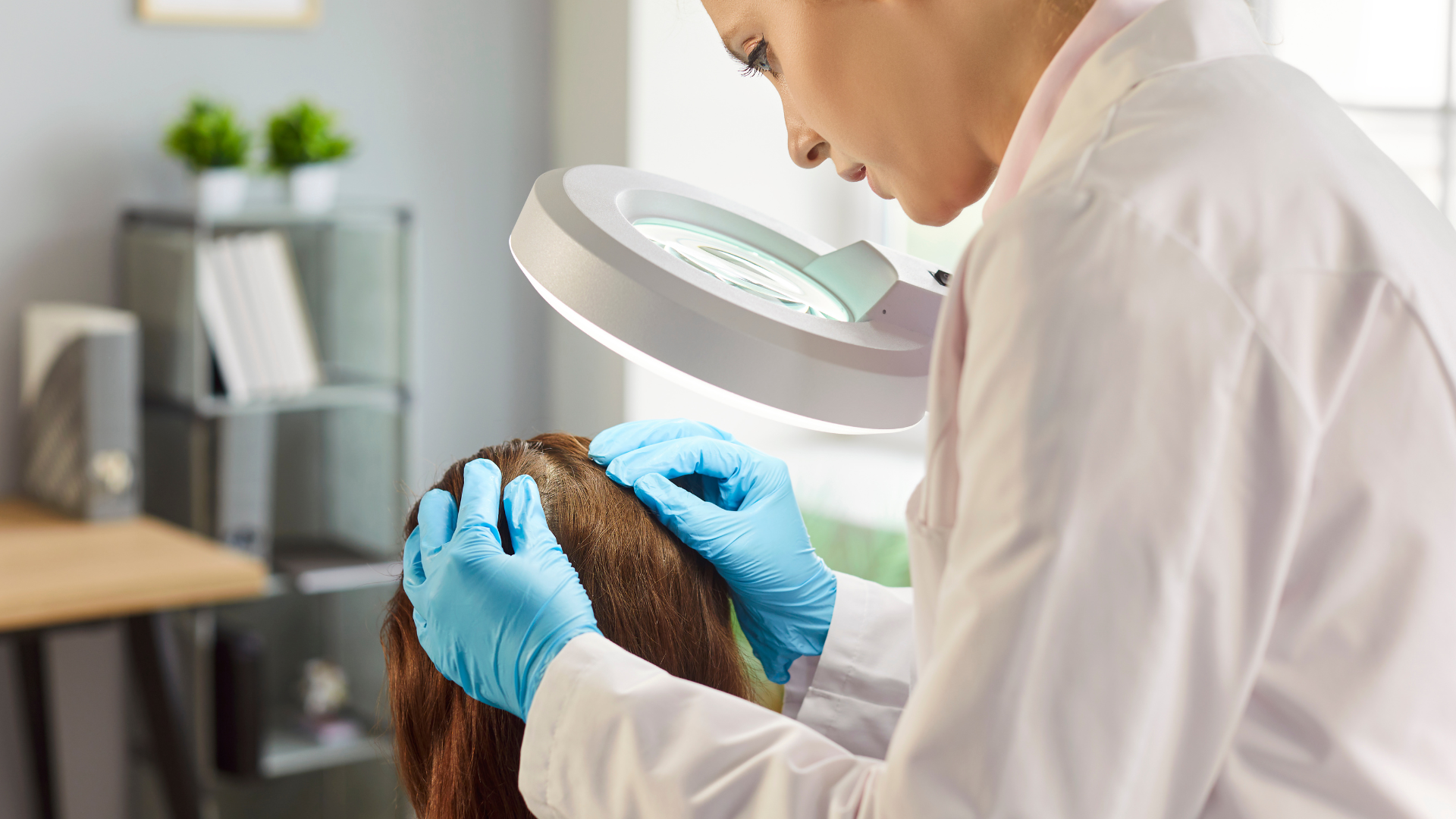
First, How Lice Actually Move Between People
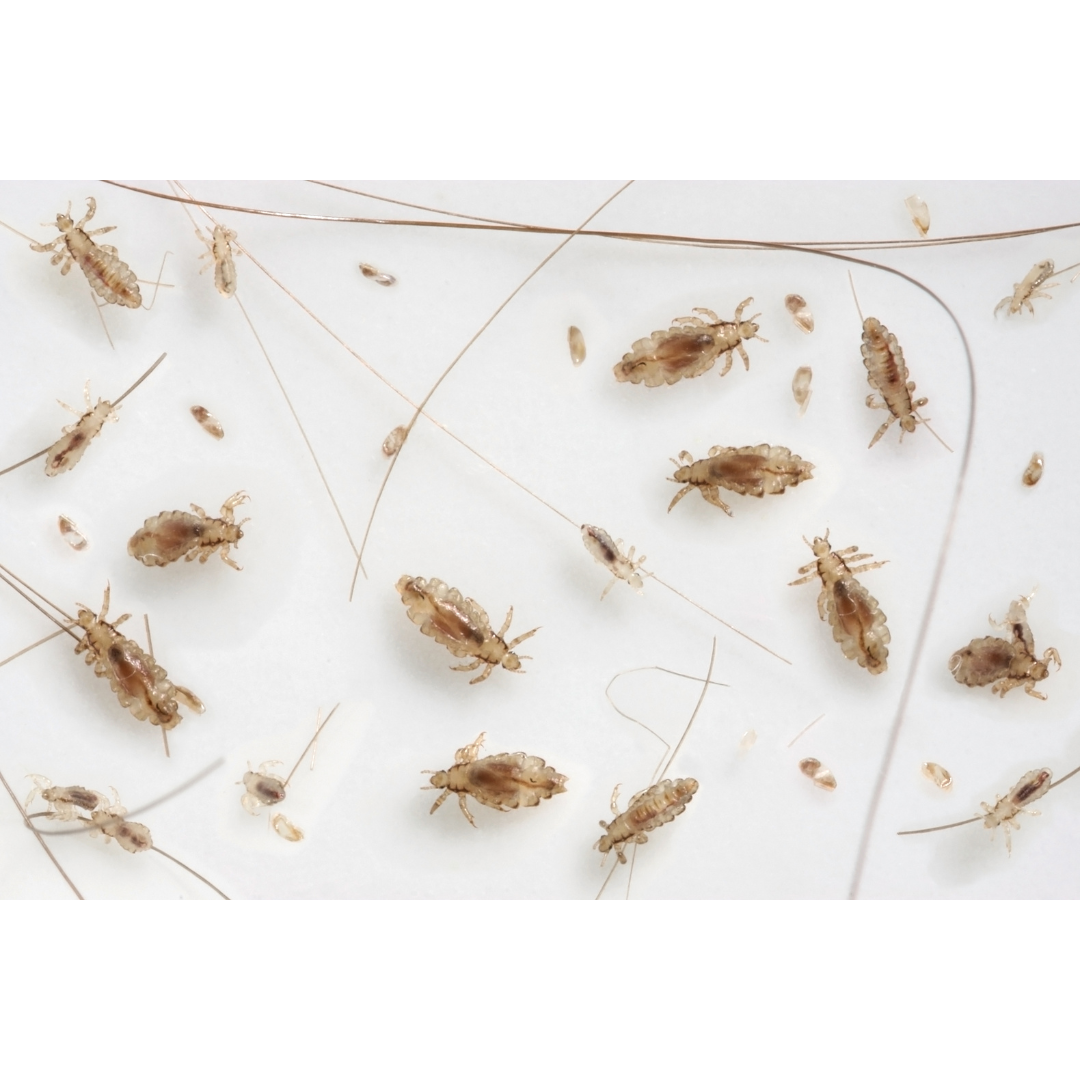
Lice are tiny insects with claw-like legs designed to grip a single human hair. They can't jump. They can't fly. They can't leap from one head to another across a desk. The only way they travel is by crawling, slowly, from one hair shaft to another when those hairs are physically touching.
That's the whole transmission story. Hair touches hair, louse crawls, new infestation begins.
Two important details:
Time matters less than contact. A louse can transfer in 30 seconds if the contact is direct. There's no "safe duration" of head-to-head contact.
Indirect spread is real but rare. Lice can briefly survive on hats, scarves, hairbrushes, helmets, and pillowcases for up to 24 to 48 hours. If a kid uses an infested object during that window, transmission is possible. It's just less common than direct hair-to-hair contact.
Everything else you've heard, lice on the carpet, lice on desk chairs, lice in classroom upholstery, is either rare or fully debunked. The CDC, American Academy of Pediatrics, and every lice professional in the country agree: classroom furniture isn't the problem. Specific moments of close contact are the problem.
The Hour-by-Hour Classroom Transmission Map
Here's where lice actually move during a typical NYC school day. If you've ever wondered "how does my kid keep getting exposed," this is your answer.
8:30 AM Arrival and Coat Room
The first major transmission moment of the day. Kids arrive, peel off hats and hoods, and stuff them into cubbies, lockers, or coat hooks. Many schools have coat hooks spaced inches apart, with jackets touching each other. A hat from an infested kid that's still warm with fresh lice can transfer them to a hat on the adjacent hook within minutes.
This is one of the few situations where indirect transmission contributes meaningfully. Especially in winter, when hats are worn daily.
9:00 AM Morning Meeting / Carpet Time
For pre-K through second grade especially, morning meeting time is a major transmission window. Kids sit cross-legged in a tight circle or rows on the rug. Heads are at close proximity for 15 to 30 minutes. Hair touches hair when kids lean in to listen, look at a book together, or turn to a neighbor.
If one kid in the circle has lice, multiple neighbors are at high risk.
10:00 AM Group Work
Kids cluster around shared tables, leaning over the same paper or iPad. Heads come within inches of each other for 20 to 40 minutes at a time. Hair touches when kids tilt their heads to read upside-down or share a screen.
Group work is intentionally designed for collaboration, which is wonderful pedagogically and terrible for lice control.
11:30 AM Recess and Outdoor Play
Counterintuitive but true: outdoor recess is lower risk than indoor activities in most cases. Kids run, spread out, and don't hold their heads still long enough for sustained contact. The exceptions are tight games like wrestling, tag with face-to-face moments, or group huddles around a shared phone.
For older kids, the recess risk shifts: huddling over a screen during free time is the new high-contact moment.
12:00 PM Lunch
Tables are usually long and crowded, with kids sitting shoulder-to-shoulder. While direct hair-to-hair contact is less common at lunch (kids face forward, eat, and talk), shared headphones, hats kept on during lunch, and hair-flipping behaviors during conversation create lower-grade transmission opportunities.
1:00 PM Afternoon Classes
Similar dynamics to morning. Carpet time, partner work, shared materials. Repeated exposure for any kid sitting near an infested classmate.
2:30 PM PE and Sports
Major transmission window for elementary kids. Tag, wrestling games, parachute play, jump rope teams. Helmets and pinnies passed between kids during team activities. Sports with shared protective gear (baseball, hockey, football) are especially high-risk.
3:00 PM Dismissal and Coat Room (Round Two)
Same dynamics as the morning. Hats, hoods, scarves coming back on. If lice transferred to a hat during the day, it now goes home with a different kid.
3:30 PM After-School Programs
This is the unseen transmission hub. Kids from multiple classes and grades mix in chess club, robotics, drama, dance, and homework help. A lice case contained to one third-grade classroom in the morning can be exposed to kids from four other classes by 5 PM through after-school programming.
We've covered why this matters for NYC families specifically in our blog on why lice outbreaks are common in NYC private schools. The after-school stack is one of the biggest reasons spread accelerates in NYC.
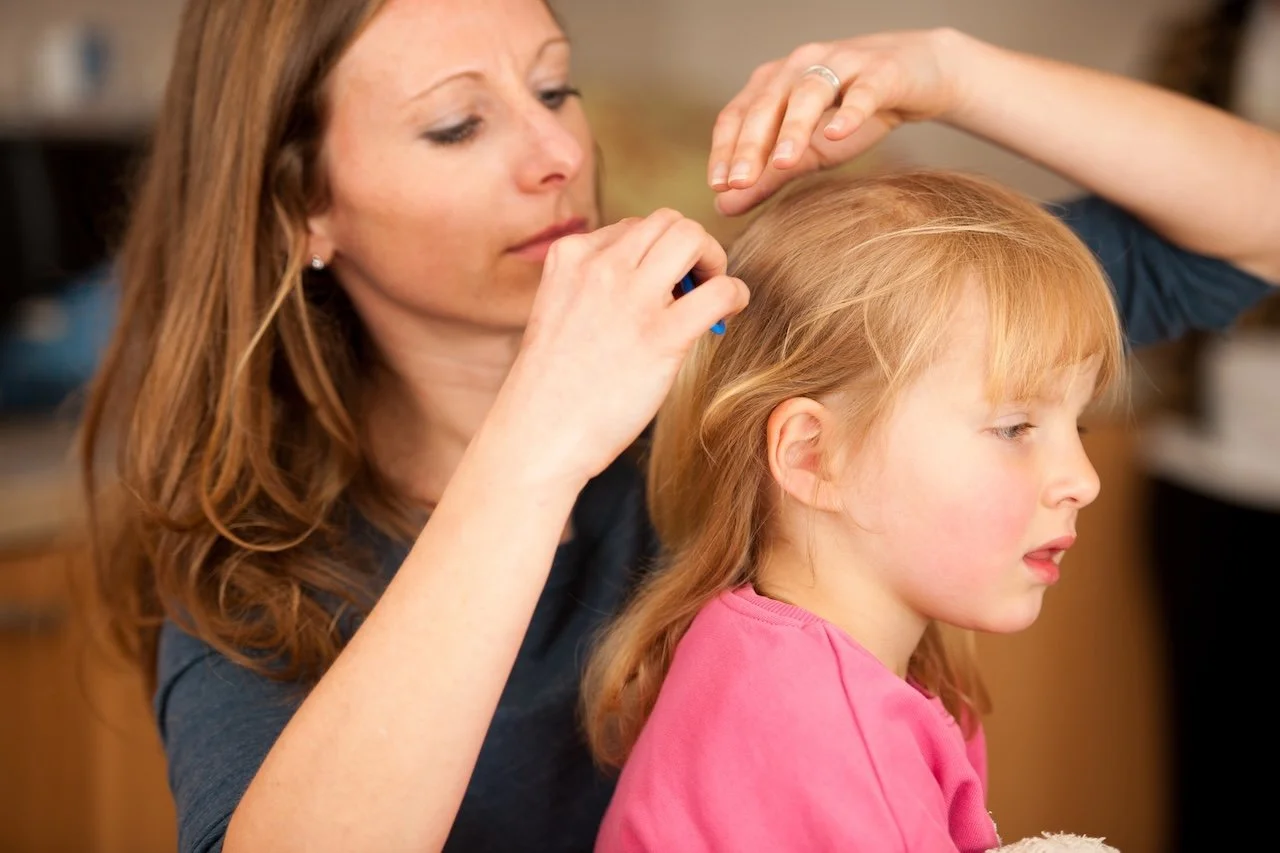
The Five Specific Moments Teachers Miss
Even attentive teachers can't catch transmission as it happens. Lice are too small, kids move too fast, and the contact moments are too brief. Here are the five moments teachers most consistently miss.
1. The Lean-In Look
Two kids share a book, a notebook, or an iPad. They lean their heads together to look at the same spot. From the teacher's view, this looks like cooperative learning. From a louse's perspective, it's a 30-second bridge to a new host.
2. The Selfie or Phone Cluster
Older kids huddle over one screen to watch a video or take a group photo. Heads physically touch for the duration of the clip or the photo. A 20-second video can be enough.
3. The Hair-Sharing Moment
One kid braids another's hair. One kid does a friend's "makeover" during free time. Hair brushed back and forth with the same comb. All extremely common in elementary girls' friend groups, all high-transmission.
4. The Sleeping Pose
During quiet reading, story time, or a long assembly, tired kids rest their heads on each other's shoulders or laps. Direct sustained head contact for 5 to 20 minutes. Pre-K and kindergarten especially.
5. The Helmet or Hat Swap
A kid forgets their hat. A friend lends one. Or a sports helmet rotates between kids during practice. The helmet is on each head for 5 to 30 minutes. If the original wearer had lice, transmission is now possible.
Why "Classroom Outbreaks" Usually Started Outside the Classroom
Here's something most parents miss: by the time a school identifies an "outbreak," the original transmission often didn't happen in the classroom at all. It happened at:
A sleepover the previous weekend
A birthday party two weekends ago
An after-school camp
A sports league with mixed age groups
A summer camp before school even started
A family vacation with cousins
The classroom is where the outbreak becomes visible, because that's where multiple cases finally surface at the same time. But the actual transmission chain usually traces back to an outside event, then spread through the class over a 2 to 4 week period before anyone connected the dots.
This is why "the school" is rarely actually the problem. The school is the venue where outside transmission becomes visible. We get into this dynamic more in our breakdown of how quickly lice spread through a household, which is the same pattern at a smaller scale.
The Five-Step Parent Playbook for Stopping Classroom Spread Early
Here's the playbook that actually works. Five steps, all parent-controlled, all things you can start today.
Step 1: Monthly Home Screening During the School Year
A 5-minute lice-comb check once a month catches problems weeks before symptoms appear. Do it during peak season especially (September through November and January through March)
What you need:
Bright light
White paper towels
How to do it:
Saturate dry hair with conditioner
Detangle, then section the hair
Comb from scalp to tip, section by section
Wipe the comb on a paper towel after each pass
Look for tan/brown bugs or yellowish-white nits glued to hair strands
For more on what to look for and what's often mistaken for lice, see our guide on signs your child has lice before the school calls you.
Step 2: Hair Containment During the School Day
This single habit cuts transmission risk substantially. Long hair tied back in tight braids, buns, or ponytails creates much less surface area for hair-to-hair contact. Even a high ponytail is better than loose hair.
For kids who resist braids, even a single low ponytail makes a difference. Lice can't easily reach a head that doesn't have free-flowing hair drifting against other kids' heads. Between checks, the Ellouse Natural Lice Treatment Shampoo and Conditioner make hair harder for lice to grip, which is the quiet reason some kids in a class never seem to catch it.
Step 3: The No-Share Conversation
Teach your child specifically not to share:
Hats, hoods, and helmets
Hairbrushes, combs, and hair clips
Headphones (or wipe them down)
Pillows during sleepovers
Hooded sweatshirts and scarves
Frame it as "personal items" rather than "germy stuff." Kids respond better to the privacy framing than the disease framing.
Step 4: Awareness of High-Risk Weeks
There are predictable spike windows during the school year. Be on higher alert and do extra screenings during:
The first 4 weeks of school (September) as lice introduced during summer activities surface
The week after Thanksgiving break when extended family contact spreads cases
The first 2 weeks of January post-winter break travel and sleepovers
Spring break return for similar reasons
Late spring as outdoor activities and end-of-year sleepovers ramp up
A 5-minute screening before each of these windows catches problems early.
Step 5: A Pre-Established Professional Relationship
Knowing who to call before you need them removes the panic factor. NYC has multiple reputable in-home lice removal services. Having the number saved in your phone, knowing how the appointment works, and understanding the pricing in advance means you can act in minutes when you find a case.
Larger Than Lice answers 24/7 across all five boroughs and the surrounding NYC metro area. We see this pattern constantly: families who have used us before, even just for a screening, act 5 to 7 days faster than first-time callers. That speed prevents household spread and shortens the overall recovery.
In a district as large as Queens, one missed case can move through a class in a week. That's why our in-home lice treatment in Queens checks and treats the whole household in a single visit, so nobody sends it back to school on Monday.

What Parents Can Reasonably Ask Their School to Do
You can also push for school-level changes that interrupt classroom transmission. Most of these are simple, low-cost, and widely accepted.
Reasonable requests for the school:
Spaced coat hooks or individual cubbies. Coats shouldn't touch in storage.
Backpacks under desks instead of in a pile. Hats and hoods stored inside backpacks, not in shared spaces.
Class-level notification when a case is confirmed. So other parents can do early screenings.
PTA-organized professional screening days during peak season. Catches cases early without requiring parent expertise.
Hair-back guidance during PE and outdoor activities. A simple reminder, no enforcement needed.
No-share signs in nurse offices, locker rooms, and after-school spaces. Visual reminders work.
Aftercare-letter standardization. Schools should accept clearance from professional lice removal services without additional documentation requirements.
What's reasonable from the school's side
Schools should respond to confirmed cases promptly, notify class families, and provide educational resources. They shouldn't be expected to do active medical screenings or enforce nit-free policies, which the CDC and American Academy of Pediatrics no longer recommend.
If your school is doing none of these things, a calm conversation with the head of school or PTA chair usually leads to changes. Frame it as community health, not blame.
What to Do the Moment You Find a Case
If your home screening catches lice on your child, every hour matters. Here's the right sequence to minimize classroom spread back to other families.
Within the first hour
Confirm what you're seeing. If you're unsure, take a clear, well-lit photo for verification.
Tie back long hair on every household member.
Skip the OTC shampoo. Lice in NYC are widely drug-resistant to permethrin and pyrethrins, the active ingredients in Nix and RID.
Book a same-day professional in-home appointment.
Same day or first thing next morning
Complete a professional treatment with full nit removal. For more on whether one-day removal really works, see our breakdown of whether you can get rid of lice in one day.
Get a clearance letter from the specialist before they leave.
Notify the school directly, before any other parent learns about it secondhand. Schools strongly prefer self-reporting and respond well.
Within 24 hours
Screen every household member.
Wash pillowcases, sheets, and any hat or scarf worn in the last 48 hours on hot.
Soak hairbrushes and combs in 130°F water for 10 minutes.
Skip the apartment-wide deep clean. Read what's actually worth cleaning instead.
Two weeks of follow-up
Re-check your child's hair every 3 days for the next 14 days.
Keep hair tied back at school during this window.
Watch for any new symptoms in other family members.
For a deeper dive on what to do when you find lice late at night specifically, see our emergency guide for finding lice after dark.
Common NYC Classroom Transmission Patterns We See
After 12+ years working with NYC families across Manhattan, Brooklyn, Queens, the Bronx, and Staten Island, certain patterns repeat over and over.
The September Surge. First two weeks of school every year. Lice picked up during summer camps surface as kids return to dense classroom settings. We do our highest call volume of the year in mid-September.
The Sleepover Cluster. Three or four kids from the same friend group all develop cases within a week of each other. Usually traces back to one sleepover where one kid had undetected lice.
The Sibling Bridge. One sibling gets lice at their school. Within 2 weeks, the other sibling has lice from home transmission. Then it spreads in the second school. Suddenly two schools have outbreaks that are actually connected through one family.
The Sports Team Chain. A travel sports team mixes kids from multiple schools. One case spreads through the team during a tournament. Within 3 weeks, all the kids' home schools see new cases.
The Tutor or Music Teacher Vector. A shared private tutor or music instructor moves between households. Not a transmission risk for them (lice need head contact, not casual proximity), but they often spot patterns parents miss. Some of our best early-warning referrals come from music teachers and tutors who casually mention "I think the Smith kid has been scratching a lot."
These patterns aren't random. They're predictable. Knowing the patterns lets you screen at the right moments and act before classroom outbreaks gain momentum.
-
Only if hair physically touches. Sitting adjacent without contact is low risk. Sitting head-to-head during a shared activity, like leaning over the same book, is high risk.
-
As little as 30 seconds. There is no "safe duration" of direct head-to-head contact. The transfer can happen in a single moment.
-
Extremely unlikely. Lice can survive 24 to 48 hours off a scalp but rarely transmit through furniture in a school setting. Hats, helmets, and hairbrushes are the only meaningful indirect routes.
-
No. A hat actually creates a closed environment where lice can move freely. Hair-tying is more effective than hat-wearing.
-
Some essential oil-based sprays (mint, tea tree) may have mild repellent effects. They are not guaranteed prevention but are reasonable as part of a layered approach during active outbreaks. Several non-toxic options are available in our shop.
-
Some schools have moved toward minimal notification to avoid panic and stigma. You can advocate for class-level notification with the head of school. The American Academy of Pediatrics supports class notification as standard practice.
-
Yes. Many NYC private schools work with professional lice removal services for periodic schoolwide or class-level screenings. PTAs can organize this. Larger Than Lice provides PTA-coordinated screening days for participating schools.
-
Usually within 1 to 3 hours, day or night, anywhere in the NYC metro area. Same-day appointments are standard.
The Bottom Line
Lice spread in classrooms through specific moments, not through general "classroom contact." Once you understand the actual transmission map, the playbook for stopping it early becomes clear: monthly screening, hair containment, no sharing, awareness of high-risk weeks, and a pre-established relationship with a professional service.
Most outbreaks become real outbreaks because the first 1 to 3 cases get handled slowly or incompletely. Families who act in hours, not days, after a confirmed case break the chain before it grows.
If you've just found lice on your child or want a screening to be sure, Larger Than Lice answers 24/7 across all five boroughs and the surrounding NYC metro area. Discreet, in-home, one-visit, lice-free guaranteed.
The earlier you act, the smaller the problem stays.

Hi, I'm Eliana
Founder of Larger Than Lice
For 12+ years, I've helped over 35,797 NYC families get through the exact moment you're in right now. Take a breath. We've got you.
Trusted by 35,797+ NYC Families
Rated 5 stars on Google, Yelp & BBB
Found Lice Right Now?
Don't wait until morning.
Call (631) 810-3938
Anytime. Anywhere. Larger Than Lice.®