Why Lice Outbreaks Are So Common in NYC Private Schools
Talk to any NYC pediatrician, school nurse, or lice professional, and you'll hear the same quiet observation: private schools in Manhattan and Brooklyn see lice outbreaks just as often as public schools, sometimes more. The reason isn't what most parents assume. It's not hygiene. It's not income level. It's not "what kind of family" your child goes to school with.
It's the specific way private school life is structured in New York City.
If you're a private school parent reading this after a note from the school nurse or a hushed text from another parent in the class group chat, this guide explains why your child's school keeps having these outbreaks, what's actually fueling the spread, and how to handle it quickly and discreetly.
Need same-day, discreet lice removal? Larger Than Lice provides 24/7 in-home lice removal across NYC. One visit, lice-free guaranteed. Call (631) 818-2013 or book online.

The First Thing to Know: This Has Nothing to Do With Hygiene
Before we go further, let's clear this up. Lice prefer clean hair. They have no preference for any income bracket, neighborhood, or school type. The CDC, American Academy of Pediatrics, and every lice specialist in the country agree on this point.
So why does it sometimes feel like private schools have more outbreaks than the average suburban school? The answer is structural. The way private schools in NYC are physically and socially organized creates almost ideal conditions for lice to spread between kids. Once you see the patterns, every "mysterious" outbreak makes sense.
The Eight Reasons Lice Spread Faster in NYC Private Schools
1. Smaller Class Sizes Mean Closer Contact
This one is counterintuitive. You'd think smaller classes would mean less contact, but the opposite is true. In a class of 14, every kid interacts directly with every other kid every day. Reading circles, group projects, lunch tables, art rooms. There's no anonymous "back of the room" kid who slips through socially unconnected to anyone. Every head is in close range of every other head.
In larger public school classes of 28 to 32, social cliques cluster and many kids never come into close physical contact with most of their classmates. The math actually favors less spread.
2. The After-School Stack
Private school students in NYC typically do 3 to 5 after-school activities a week, often with kids from other classes, other grades, and even other schools. Chess club. Coding. Dance. Squash. Robotics. Mandarin. Drama.
Each of these is another room full of kids in close head-to-head proximity for an hour or more. Lice that started in one third-grade class can move to the after-school chess room and from there to four other classes by the end of the week. The wider the after-school footprint, the wider the transmission grid.
3. Cubbies, Coat Rooms, and Hat Storage
Private schools usually have organized cubby systems and coat rooms where outerwear hangs in close proximity. Hats, scarves, and hooded jackets touching each other for hours a day. While lice can't actually live on fabric for long (they need a human scalp to survive more than 24 to 48 hours), they can transfer briefly during the school day if hair contacts a hat or hood that was just on another infested child.
This is one of the few situations where indirect transmission actually contributes. Larger public schools often have less organized storage that, ironically, reduces contact between hats.
4. Sleepovers Are More Common in Private School Social Culture
Private school families tend to be more tightly socially connected. Birthday party invites go to the whole class. Sleepovers happen on most weekends. Group playdates rotate across apartments. One sleepover with a kid who has undetected lice can introduce lice to three or four other households in a single weekend.
We see this pattern constantly. A family calls on Monday after a Sunday morning that started with the discovery. By Tuesday, three other families from the same sleepover are calling. Sometimes more.
5. After-School and Camp Networks Overlap
NYC private school families often share the same summer camps, sports leagues, ski programs, and weekend activities. Lice introduced in summer camp travel back to school in September. Lice picked up in a fall soccer league spread through the entire grade by midseason. The social network is denser than parents realize, which means transmission can hop from one institution to another invisibly.
6. Schools Have Moved Away From "No-Nit" Policies
This is a real change in the last decade. The American Academy of Pediatrics and the CDC now recommend against "no-nit" policies, which previously required a child to be 100% free of nits before returning to school. Most NYC schools, public and private, have followed this guidance.
The policy is medically reasonable. Nits more than a quarter-inch from the scalp are usually already hatched and harmless. But the practical effect is that kids with active or partially treated lice are now in classrooms more often than they used to be. Combined with drug-resistant lice that no longer respond to OTC shampoos, this means more low-grade cases sit untreated for longer.
7. The Parent Silence Effect
Here's the part nobody talks about openly. Many private school parents don't want to be "the family with the lice kid." There's a perception of social stigma, even though there shouldn't be. So parents under-report. They treat at home quietly with OTC products that don't work, send the kid back to school the next day, and hope nobody notices.
When that incomplete treatment fails, which it usually does, the case continues spreading silently for another week or two. By the time the school notifies parents, multiple families have been affected, but only one or two have come forward. The rest are dealing with it privately, while their kids continue going to school.
This is the single biggest driver of prolonged outbreaks in NYC private schools. The honest schools that we work with acknowledge it openly. We get calls from these families every week, and almost every one of them asks the same question: "Can you come tonight, before anyone sees you?"
The answer is yes. Discretion is part of why families choose in-home lice removal in NYC. Specialists arrive in unmarked clothes. Nobody in your building knows. The case is closed before anyone in the school community has a chance to talk.
8. School Nurses Aren't Always Doing Routine Checks
Most NYC private schools don't do regular schoolwide lice screenings. They respond when a case is reported, but they don't actively scan classes during peak season (September through November and January through March). Schools that do periodic screenings catch outbreaks two weeks earlier, on average, than schools that don't.
Some private schools have stopped notifying parents about confirmed cases in the class to "avoid panic." This policy is well-intentioned but often makes the problem worse. Parents who don't know there's a case in the class don't check their own kids. By the time symptoms appear, the infestation has been present for weeks.
What Makes the Manhattan and Brooklyn Patterns Different
Within NYC, private school lice patterns vary by neighborhood. We see different dynamics in different areas.
Upper East Side
Upper East Side private schools see some of the densest social networks in the city. Many families share buildings, doormen, and weekend social circles. Outbreaks can spread across schools through shared social ecosystems faster than within a single school.
Upper West Side
Upper West Side families tend to have larger sibling groups and more sleepover culture. Outbreaks in one school often spread to siblings in different schools, then to those schools' classes.
Brooklyn Heights, Park Slope, Cobble Hill
Brooklyn brownstone neighborhoods have intense block-level community structures. One infested kid can spread lice through stoop play, building hallways, and weekend group activities. Park Slope in particular sees clustered outbreaks at the start of each school year.
Private schools in these neighborhoods often require a clear check before a child returns. Our discreet in-home lice removal in Brooklyn is built for exactly that: one visit, every nit gone, back in class the next day.
Financial District and Tribeca
Financial District and Tribeca private schools serve families with intense work travel patterns. Kids spend more time in shared after-school care, which becomes a transmission hub when one case enters the rotation.
The patterns differ, but the underlying dynamics are the same: density, social interconnectedness, and the silence effect.
Why Outbreaks at Private Schools Last Longer Than They Should
A single case of lice in a classroom shouldn't become a 6-week saga. But it often does in private school environments. Here's the typical timeline of a poorly managed private school outbreak:
Week 1: First case detected at home. Parent treats with OTC shampoo, sends kid back to school the next day. Doesn't notify the school.
Week 2: OTC treatment failed (lice are drug-resistant). Live bugs return. Other kids in the class are now exposed. A second family detects lice. Same OTC pattern, same silence.
Week 3: Three or four families now have active cases. School nurse spots one during a head-touching incident in PE. Notification goes out to one class.
Week 4: Some parents check kids, some don't. Of those who check, half misidentify what they're seeing (dandruff vs. nits). Two more cases continue undetected. A weekend sleepover spreads it to a fifth family.
Week 5 to 6: The school is now aware of an "outbreak." Letters go out. Some families seek professional treatment. Others double down on DIY. Outbreak finally tapers.
The total duration: 6 weeks, 5 to 8 affected families, dozens of disrupted school days.
Now look at what happens when one family acts quickly and completely after the first case:
Day 1: Lice detected. Family calls a professional. Same-day in-home treatment for the affected child and screening for the whole household. School notified that evening.
Day 2: Clearance letter delivered to school. Kid back in class. School notifies the class. Other parents do early screenings.
Day 3 to 7: Two or three families catch early cases, treat professionally, return to school within 24 hours.
Day 10: Outbreak effectively over. 3 to 4 affected families, no major spread, normal school continues.
The difference is acting fast and completely after the first case. Stretching it out is what creates the outbreak.
The Real Cost of a Private School Lice Outbreak
For NYC private school families, the math on a multi-week outbreak gets ugly fast.
Direct costs of a stretched DIY approach over 4 to 6 weeks:
3 to 4 rounds of OTC shampoos at $30 to $60 each
Prescription products if escalated: $200 to $400
Lost work days for combing sessions: easily $500 to $2,000+ in lost income
Missed school days requiring private make-up tutoring: $100 to $300 per session
Multiple eventual professional treatments for failed cases: $300 to $500 per visit
Often, treatment of 2 to 3 other family members who caught it during the delay
Direct cost of one-visit professional removal at the start:
Single in-home appointment per affected person: $200 to $350 flat
Clearance letter included
Guarantee included
No follow-up combing required
The total cost of "saving money with DIY" usually runs 3 to 5x more than just calling a professional after the first case. Most private school parents we work with confirm this only after they've lived through a full outbreak the hard way
What to Do When Your Private School Sends the Lice Notification
You just got the email. "A case of head lice has been identified in your child's class." Here's the right sequence.
Tonight
Read our breakdown on signs your child has lice before the school catches it.
Do a real lice-comb screening on your child under bright light. Pay close attention to behind the ears and the nape of the neck.
Check every household member, not just the kid in that class.
If you find anything, do not run to the drugstore. Skip the OTC shampoo.
If You Find Lice
Book a same-day or next-morning in-home appointment with a professional lice removal service.
Notify the school directly. Self-reporting is treated well by schools and helps protect other families.
Keep long hair tied back in braids or buns for the next two weeks.
Skip the apartment-wide deep clean. Read what's actually worth cleaning instead.
If You Don't Find Lice
Re-check every 3 days for the next two weeks. Eggs can hatch on a 7 to 10 day cycle, so an undetected case today can appear next week.
Keep long hair tied back during this period.
Avoid sleepovers and playdates with close head contact until the school confirms the outbreak is closed.
For a full breakdown of how fast spread happens, see our guide on how quickly lice spread through a household.
How to Talk to Your Private School About Lice
Most NYC private schools handle lice notifications quietly and well, but some don't. If you've experienced a poorly-handled outbreak, here are reasonable things to ask the school to do.
Reasonable requests:
Notify all affected class families when a case is confirmed
Allow PTA-organized professional screening days during peak season
Share educational resources about early detection
Maintain a consistent return-to-school policy
Things some schools resist:
Class-by-class screenings (perceived as invasive)
Notifying the full grade or school
Mandatory professional clearance letters
If you advocate for any of these, frame them as community health measures rather than complaints. Most heads of school respond well when parents come with constructive solutions instead of finger-pointing.

How to Protect Your Private School Kid (Year-Round)
Prevention isn't perfect, but it dramatically reduces transmission risk. Here's what works.
Keep long hair tied back. Tight braids, buns, or ponytails reduce hair-to-hair contact significantly. The most consistent prevention factor we see in low-incidence kids.
Don't share hats, helmets, or hairbrushes. This is the one area where indirect transmission matters. Especially during sports seasons.
Do monthly screening at home. A 5-minute lice-comb check once a month during the school year catches problems weeks before symptoms appear.
Be aware of high-risk weeks. September (back to school), January (post-winter break), and the week after any sleepover or camp.
Use preventive products if your child is in a high-exposure period. Mint-based or tea tree oil-based hair sprays may help repel lice. Not a guarantee, but a reasonable measure during active outbreaks. Buzz Off Lice Repellent Spray is the one our specialists recommend, and the full range is in our shop.
Build a relationship with a lice professional before you need one. Knowing who to call at 11 PM saves time and panic in a real emergency.
Why Discretion Matters for Private School Families
For most NYC private school families, the question isn't just "how do we fix this?" It's "how do we fix this without anyone finding out?"
That's a legitimate concern. Even though lice is a hygiene-neutral, status-neutral childhood event, social perception in private school communities can be slow to catch up. Parents who don't want neighbors, doormen, or other parents to know about a case have specific needs:
Discreet in-home appointments. Specialists arriving in unmarked clothing
Flexible scheduling, including evenings and weekends. Treatment outside school hours so kids don't miss class
One-visit completion. No need for repeated visits that might attract attention
Direct clearance letters. Provided privately, brought to the office by you, not delivered to the school
Strict confidentiality. No identifying information shared with the school community
Larger Than Lice has served more than 35,000 NYC families over the last 12+ years, the majority from private school communities. Our specialists are trained in the discretion piece as carefully as the medical piece. Nobody in your building or your school community needs to know that a treatment happened.
-
Outbreak frequency is similar across school types, but private school outbreaks often spread further per case because of denser social networks, more sleepovers, and stronger silence around reporting. Public schools with active nurse screening programs sometimes catch and contain outbreaks faster.
-
Some schools believe notification creates "panic" or social stigma. Many parents disagree and want full notification. If your school doesn't notify, ask the head of school whether they can adjust the policy. The American Academy of Pediatrics supports class-level notification as a standard practice.
-
Most lice professionals consider an "outbreak" anything affecting more than 3 to 5 families in the same school. A single case is normal. An outbreak suggests a delayed response or undetected spread.
-
Yes, in almost every NYC private school. A clearance letter from a professional lice removal service is accepted across both public and private schools. Most schools no longer enforce "no-nit" policies, which means even minor residual nits are fine after treatment.
-
We recommend telling the school first, not the parent group chat. The school will notify other families through their official channels, which preserves your privacy while still alerting the community. Direct parent-to-parent notification can sometimes feel like accusations rather than community help.
-
A single in-home visit, usually 1 to 2 hours per person. Larger Than Lice can usually arrive within 1 to 3 hours of your call, day or night, across the NYC metro area. For more on what one-day treatment actually involves, see our breakdown of whether you can really get rid of lice in one day.
-
Most insurance plans don't directly cover professional lice removal, but FSA and HSA cards are accepted at most reputable services, including Larger Than Lice. Some employers reimburse through wellness benefits.
The Bottom Line
NYC private school lice outbreaks aren't caused by hygiene or income. They're caused by the specific structure of private school life: small classes, intense after-school networks, sleepovers, shared coat rooms, the silence of embarrassed parents, and treatments that don't work fast enough.
The schools that handle outbreaks well share one thing in common: families who detect early, act fast, and treat completely. The schools that have weeks-long outbreaks share the opposite pattern.
If you're at the front of an outbreak right now, the single most useful thing you can do is end your family's case in one professional visit and notify the school. That alone can break the chain. Other parents will follow your example. The outbreak will close in days instead of weeks.
If you need help today, Larger Than Lice answers 24/7 across all five boroughs and the surrounding NYC metro area. Discretion is built into how we work.
A specialist can be at your door this evening, finish the job, and have a clearance letter ready before school tomorrow.
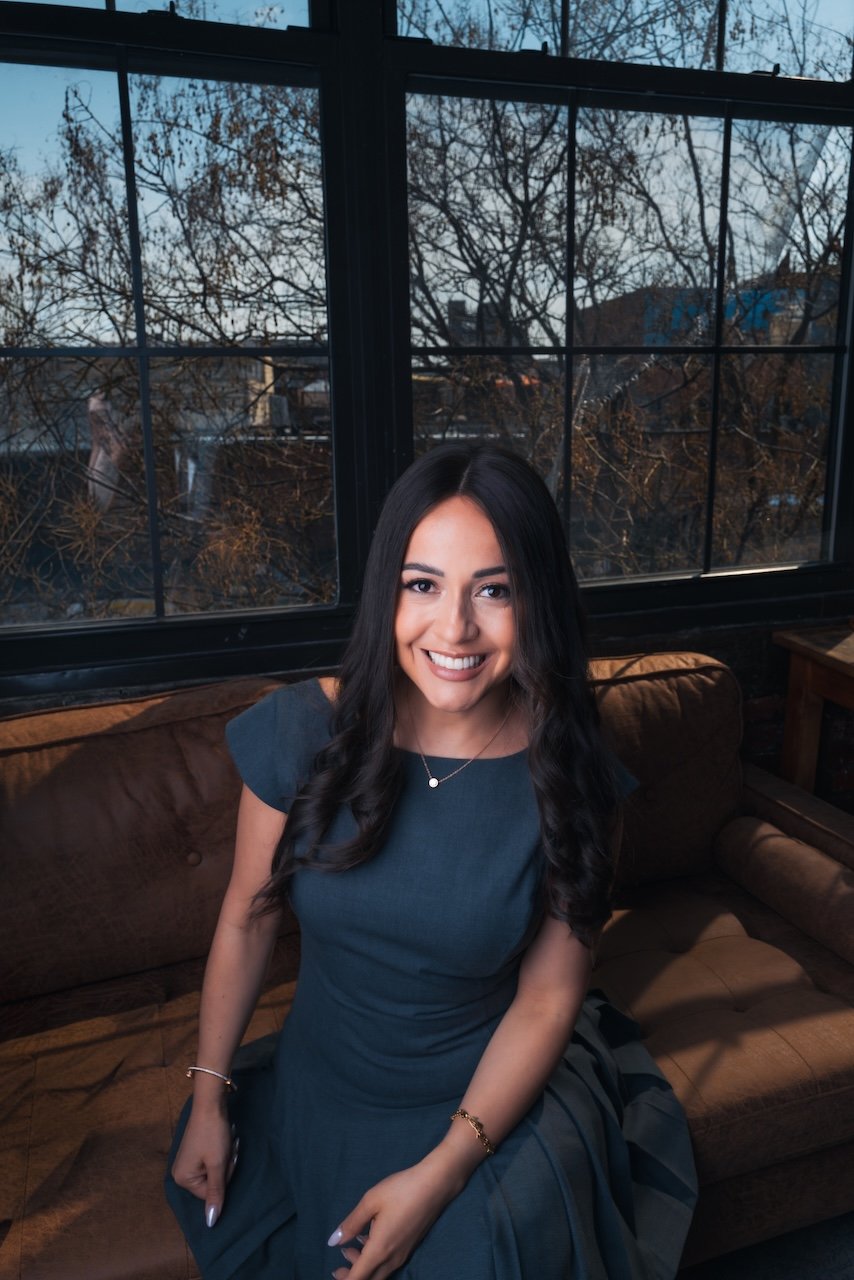
Hi, I'm Eliana
Founder of Larger Than Lice
For 12+ years, I've helped over 35,797 NYC families get through the exact moment you're in right now. Take a breath. We've got you.
Trusted by 35,797+ NYC Families
Rated 5 stars on Google, Yelp & BBB
Found Lice Right Now?
Don't wait until morning.
Call (631) 810-3938
Anytime. Anywhere. Larger Than Lice.®